Three Months of Rain in Two Days: Why Wellington is Under Water: The Record-Breaking Deluge That Just Reset the History Books?

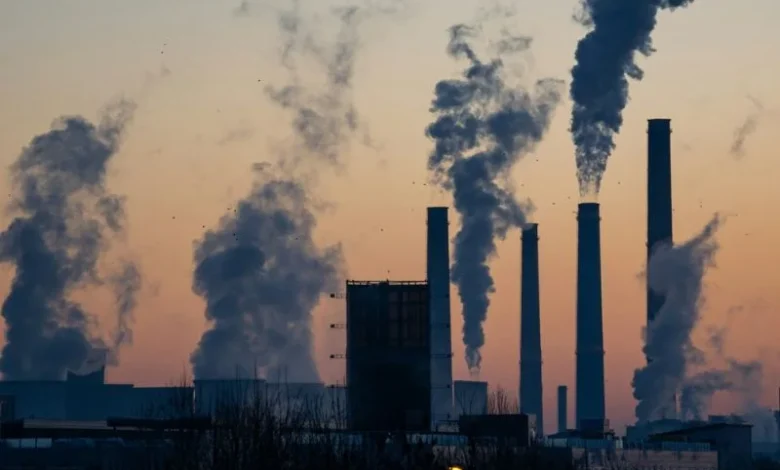
New York City has seen an increasing air quality alert frequency in 2026 as a result of the combined effects of smoke from surrounding areas, emissions from neighborhoods, and atmospheric conditions. One of the major contributors to air quality alerts has been wildfire smoke traveling from Canada, which contains fine particulate matter (PM2.5), creating air pollution at a distance.
Similarly, local sources such as traffic congestion, construction dust, and emissions from buildings also continue to contribute to increases in air pollution and nyc air quality alerts 2026.
Area-Wise Impact Across the City
New York City’s pollution exposure is not uniformly distributed; rather, it is dependent on both geographical and borough/borough-neighborhood proximity.
High-Pollution Impact Zones
Pollution in areas like The Bronx and parts of Northern Manhattan are frequently higher than average due to dense traffic corridors, industrial activities, and limited amounts of green space.
Moderate-Pollution Impact Zones
Pollution levels in metropolitan central portions of Brooklyn and Queens are considered to be moderate; however, the extent of pollution will still be influenced by the density of housing and the pattern of vehicular traffic.
Low/Moderate-Pollution Impact Zones
On a predominantly coastal basis, areas like Staten Island and those located adjacent to larger parks generally have slightly better air quality resulting from wind currents and the presence of trees.
Environment Insights You Should Read
Why Indoor Air Quality Important?
Explore how plants improve air.
Why Tropical Plants Bloom Changing?
Discover impact on farming cycles.
How Warming Reshapes Coastal Living?
Check risks for island communities.
Key Causes Behind the Alerts
Increased alerts are occurring for a combination of reasons: long-distance transport of wildfire smoke, heat waves containing pollutants near the ground, high-density urban areas with high vehicle emissions, construction and road dust, and low wind conditions that create stagnant air conditions.
Multiple contributing factors may push the Air Quality Index (AQI) into the “unhealthy” category in a number of ways, in addition to locally produced pollution spikes.
Final Words
Air quality alerts in NYC are indicative of the interconnectedness of air quality throughout the world and locally. Even a well-regulated city is still vulnerable to pollution from outside its borders, as well as climate changes relating to weather patterns. The future will focus more on cooperation and transparency between jurisdictions in the management of cleanup efforts, clean transportation choices, and real-time public notifications of changes in air quality.
FAQs
1. What causes an air quality alert to occur in NYC?
A Pollution level that exceeds an unhealthy threshold is the trigger for an air quality alert; i.e., PM2.5 or Ozone
2. Why is there a fire smoke influence in NYC?
Air streams can carry fire smoke thousands of kilometers from Canada into NYC.
3. Which locations have the highest levels?
Northern Manhattan and the Bronx generally have above-average air pollutants present.
4. How can people living in these regions minimize their exposure when participating in outdoor activities?
People are encouraged to minimize the amount of time engaged in outdoor activities, wear a mask (if necessary), and ensure they frequently check the current AQI numbers/values to stay current on the air quality.