

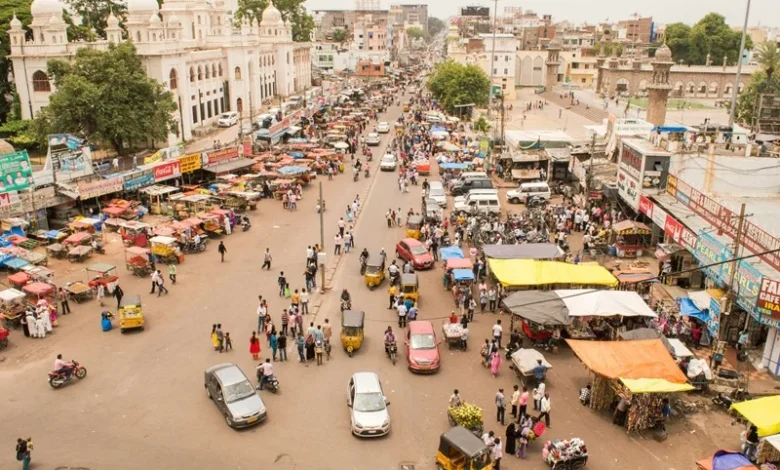
Hyderabad has grown quickly in recent years, and there are now a lot more vehicles on the road as a result, which is a major cause, along with construction, of increasing air pollution. PM2.5, nitrogen oxides (NOx), carbon monoxide, and general traffic emissions from cars, motorcycles, buses, and trucks release toxins that impact the quality of the air.
Certain high-density traffic areas, such as HITEC City and Banjara Hills, experience elevated amounts of pollutant emissions due to slow-moving vehicles. During peak traffic hours, idling engines, fluid movement, and discharging of vehicle fluids all contribute to elevated levels of emissions within a shorter timeframe, causing higher pollution levels in these locations.
How Traffic Conditions Make Pollution Worse
The number of vehicles is not the only reason for the level of pollution. The type of movement also plays an important role. Stop-start driving (frequent and/or random braking as well as extended periods of idling) results in very inefficient fuel combustion through stored fuel vapor.
There are additional factors contributing to vehicle emissions, such as narrow streets, road construction, and intersections with multiple signals, all of which impede the flow of traffic.
Road dust plays an important role in PM pollution from heavy traffic. In many locations around Hyderabad, especially in areas that are in the process of developing, excessive amounts of dust in the air greatly contribute to the continued degradation of air quality.
Impact on Health and Daily Life
Traffic Pollution has direct effects on the short-term comfort of people commuting daily and their long-term health; commuting exposes people to higher levels of pollution, causing respiratory issues, eye irritation, and tiredness. Over time, this will increase the chance of having asthma and other chronic health problems as well as heart disease.
Those most affected, due to continuous exposure to pollution, include children, the elderly, and traffic policemen. Also, the overall air quality in an urban area will reduce the liveability and productivity of urban life (J.R. Arora et al., 2015).
Stay Ahead: Must-Read Insights for You
What Cooling Products Are Trending Now?
Discover the latest cooling products Hyderabad buyers are rushing to explore this summer.
Is Your Home Ready For Summer?
Check this simple checklist to prepare and explore ways to beat Hyderabad’s heat.
How To Start Waste Segregation Easily?
Check this simple guide to explore effective waste segregation practices at home.
Which Hyderabad Areas Face Extreme Heat?
Explore the most heat-affected zones and discover how to stay safe during heatwaves.
Is Hyderabad Facing A Water Crisis?
Discover how rapid urban growth is impacting water balance and explore solutions.
Final Words
Traffic in Hyderabad is not only an issue regarding the mobility of people, but also; It is an issue of Environmental Limits. The growth of traffic flow in Hyderabad can have a significant negative impact on the air quality of the city, so discovering a way to effectively manage traffic flow will be a crucial challenge that must be tackled if the public is to live healthier lives.
FAQs
1. Is traffic a large contributor to air pollution in Hyderabad?
Yes, it is a key contributor to air pollution in combination with construction dust and industrial emissions.
2. What causes pollution to significantly increase during peak hours?
It is likely due to the large number of vehicles waiting in traffic that produce exhaust and have the potential for causing emissions to become more concentrated in congested areas.
3. Is road dust a contributor to air quality?
Yes, the movement of vehicles kicking up dust increases levels of total fine particulate pollution.
4. How can we reduce pollution from traffic?
Improvements to public transportation system, reduction in congestion, and increased use of electric cars could all reduce traffic pollution.