Low Emission Zones in London: How They Work
Learn how London’s LEZ and ULEZ work to reduce pollution, improve air quality, and control high-emission vehicles across the city.

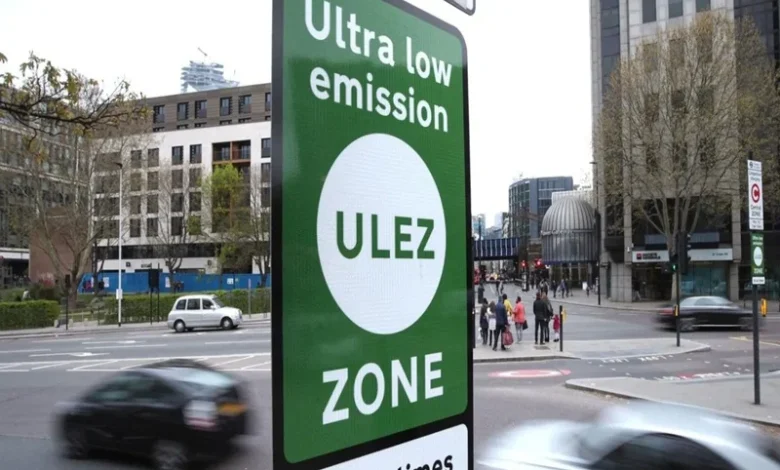
LEZ (some very low-emission zones) are some of the first types of low-emission vehicle zones. It is intended to decrease the amount of air pollution generated from high-emission vehicles being driven in major cities. The LEZs will limit many of the higher-emission vehicles on the road, reducing air pollution.
For example, London has one of the most advanced low-emission zone systems and has two different types of low-emission vehicle zones: the Low Emission Zone (LEZ) and the Ultra Low Emission Zone (ULEZ). Both LEZ and ULEZ are operated by Transport for London and cover most of London, where they operate 24 hours a day and target those vehicles that are generating higher emissions.
How the System Works
The London low-emission zone system uses automatic number plate recognition (ANPR) to identify vehicles entering the low-emission zone. Once a vehicle enters the LEZ, it will be checked automatically by the ANPR system to determine if it is compliant or non-compliant.
If a vehicle is non-compliant, the owner will need to pay a daily charge and will receive a penalty. The following list summarizes key characteristics of the LEZ:
All vehicles entering the low-emission zone are subject to automatic checks—no physical barriers exist to check for compliance.
- Vehicles are charged based upon their type and level of emissions.
- Vehicles operating with cleaner fuels such as electric, hybrid, etc. are generally exempt.
- Non-compliant vehicles will incur a charge on a daily basis.
This method is designed to motivate individuals to make the switch to cleaner vehicles or to take public transport.
Impact on Air Quality and Urban Living
The introduction of Low Emission Zones in London has been effective in significantly reducing nitrogen dioxide (NO₂) and particulate matter, resulting in improved air quality, especially within central London. In addition to improving air quality, Low Emission Zones have:
- Increased the number of electric or low-emission vehicles
- Decreased the number of older and more polluting vehicles on the roadways
- Increased public health over the long run
Although some detractors have bemoaned the added costs for drivers, many other benefits, including cleaner air and improved urban health, will accrue over time to offset these costs.
You May Also Like
Should Dubai Limit Its Energy Usage?
Explore how Dubai balances growth and sustainability amid rising energy demands.
Will Climate Redefine Miami’s Future?
Discover how rising seas are reshaping Miami’s urban planning strategies.
Which Cities Face Climate Risk Today?
Check the top cities under immediate environmental threat in 2026.
Which Cities Face Water Crisis Now?
Explore the cities struggling with severe water shortages this year.
Are Green Cities Displacing Communities?
Discover the hidden social costs behind eco-friendly urban projects.
Final Words
London’s Low Emission Zones illustrate that policy, technology, and enforcement are all capable of equally addressing pollution. In reference to air quality in urban environments, cities can demonstrate that they can solve air quality problems not through banning of movement but through creating cleaner and more sustainable ways to move people and goods.
FAQs
1. What’s the difference between LEZ and ULEZ?
ULEZ has stricter emissions standards than LEZs and affects a broader range of vehicles than LEZs.
2. Do all vehicles have to pay?
No. Only those vehicles that fail to meet emissions standards will incur a charge.
3. Is the zone in effect at all times?
Yes, most zones are in effect 24/7.
4. Has air quality improved as a result of Low Emission Zones?
Yes, all major pollutants have decreased in many locations throughout the city of London.