Zoning and Environmental Planning in Delhi Explained
Learn zoning and environmental planning in Delhi, its role, challenges, and how DDA manages land use for sustainable urban development.

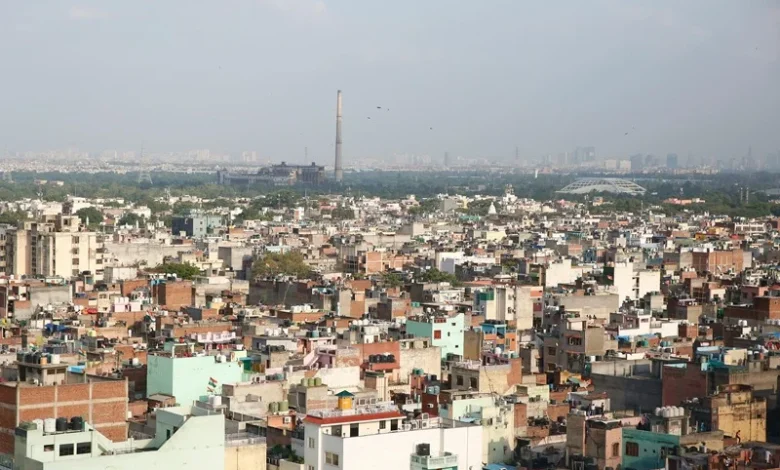
Zoning indicates where building projects are allowed and banned, how to use land as intended, and what type of development is allowed in a certain area of the jurisdiction. This, in turn, ensures the orderly progression of urban expansion while allowing for proper planning for infrastructure (roads, water, and electricity) to support the community’s population.
In addition to zoning, the purpose of environmental planning is to preserve or protect natural resources while allowing for the continued urban development of a community. Environmental planning includes protecting certain parts of a community or municipality that cannot be developed into urbanized land (i.e., forested areas, wetlands, waterways, parks, etc.).
Environmental Planning and Its Role
Key areas of environmental planning in the urbanized portion of the DDA jurisdiction include:
- Protecting the Yamuna River floodplains from excessive development.
- Creating and protecting green belts and urban forests.
- Controlling pollution from industrially-zoned land.
- Monitoring the impact of air and water quality as well as land use. The goal of all of these is to lessen the environmental impact on Delhi while enhancing the quality of life within the city.
Challenges in Implementation
Challenges with implementing zoning and environmental plans in Delhi include: encroachment on green and protected areas, improper mixed-use development in unauthorized colonies, pressures caused by rapid population growth, and weak enforcement of environmental laws. Even with policies in place, challenges associated with pollution, congestion, and resource depletion exist.
Catch Up on What Everyone’s Reading
Discover Plastic That Vanishes In Weeks?
Discover the breakthrough polymer that could change the future of plastic waste.
Explore Tokyo’s EV Policies Delivering Results?
Explore how Tokyo’s EV push is transforming urban transport and sustainability.
Explore Asian Cities Cutting Pollution Smartly?
Explore how smarter transit systems are reducing pollution across major Asian cities.
Check Asia’s Fight Against Greenwashing Pressure?
Check how Asian financial hubs are tackling greenwashing while maintaining growth.
Discover Asia’s Smartest Eco Cities 2025?
Discover the top eco-friendly cities leading sustainability efforts in Asia.
Final Words
Although zoning and environmental planning for Delhi are key tools to address how the city manages itself as it grows rapidly, the magnitude of their effectiveness will depend on how well the theory is applied. The implementation and awareness of these concepts is critical to creating a more sustainable and balanced urban environment.
FAQs
Q1. What is zoning?
Zoning is the process of dividing land into areas designated to support specific uses such as residential, commercial, or industrial development.
Q2. Who oversees zoning in Delhi?
Zones are primarily administered and managed by the Delhi Development Authority (DDA).
Q3. What does environmental planning involve?
Environmental planning deals with the conservation and management of natural resources while facilitating urban growth.
Q4. Why is zoning beneficial?
Zoning is vital for the orderly organisation of a city’s growth and development; it prevents the unanticipated and erratic growth of a city.