Solar Power Surge Freezes India’s Coal Power Growth for the First Time in 50 Years

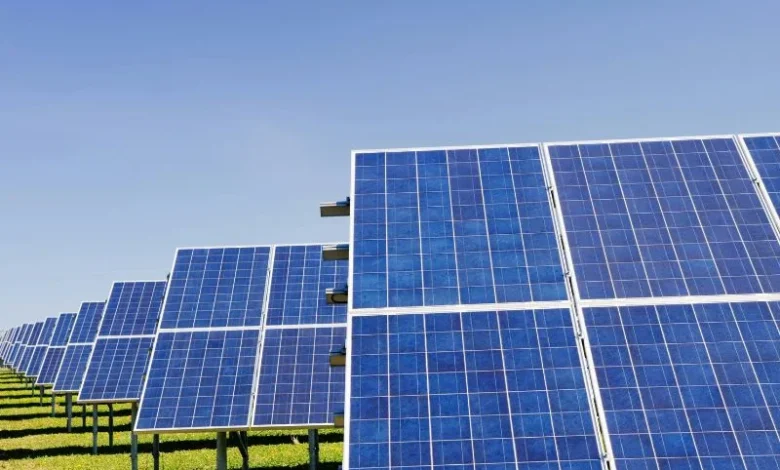
For more than fifty years, one rule held firm in India: whenever electricity demand went up, coal use went up with it. India solar power, That rule just broke. Fresh research shows that India’s clean energy expansion between 2024 and 2026 was large enough to stop coal power generation from rising at all, even as the country’s power needs kept growing. It’s a quiet but important moment, because India burns more coal than almost anywhere else on earth, and what happens there shapes how the whole world talks about climate progress.
What the numbers show
A joint analysis by the Centre for Research on Energy and Clean Air (CREA) and Carbon Brief found that India built 77 gigawatts of new solar capacity in just two years. That’s not a small feat for any country, let alone one still developing its grid infrastructure. Clean power sources covered the entire 7 percent jump in electricity demand over that period, generating output roughly equal to what a country the size of Switzerland uses in a year.
Coal isn’t going anywhere just yet
None of this means coal is fading out. It still produces about two out of every three units of electricity in India. New coal plants keep getting approved, along with projects that turn coal into chemicals and support steel production. By mid-2026, about 43 gigawatts of coal capacity was still under construction.
A few reasons coal remains entrenched:
Grid operators use it when demand surges quickly during heatwaves.
Solar and wind only work when the sun is shining or the wind is blowing
Battery storage is growing but not scaled up enough
Coal mining jobs support entire towns and local economies
What this means for regular people
The change is much good news for families and small business owners across India
Power is getting cleaner without becoming less dependable, at least so far. Rooftop solar programs backed by government subsidies are letting more households generate their own electricity and stay lit during grid outages, which still happen often in smaller towns and rural areas.
A few practical points worth knowing:
- Solar costs keep dropping, which could ease electricity bills over time
- Areas with local solar and storage setups report fewer summer blackouts
- Factories and industries are slowly shifting toward electric power instead of burning fuel directly
Conclusion – India solar power
What India is showing the world is that a growing economy doesn’t have to burn more coal just to keep the lights on. Coal hasn’t disappeared, and it won’t for a long while yet, but the link between rising demand and rising coal use has clearly weakened. Whether this becomes a lasting decline or just a temporary pause will depend on how fast storage, grid upgrades, and industrial electrification catch up in the years ahead.
Explore More: Discover the Ideas and Innovations Shaping Tomorrow
Which Technologies Will Transform Industries Next?
Discover the breakthrough technologies that could reshape traditional industries and the future of work.
Why Are Wetlands So Important Globally?
Explore the world’s most important wetlands and learn why they are vital for nature and humanity.
Can Innovation Improve Renewable Energy Reliability?
Check out the latest innovations making renewable energy cleaner, smarter, and more dependable.
Which Countries Lead Green Living?
Discover the 2026 ranking of the world’s greenest countries and their sustainability achievements.
How Are Cities Fighting Climate Change?
Explore the cities investing in climate-resilient infrastructure to