Solar Energy Revolution: How New Solar Technologies Are Making Clean Power Cheaper and More Efficient
Solar Energy Revolution makes clean power cheaper with efficient panels, smart batteries, and flexible financing for households worldwide now.

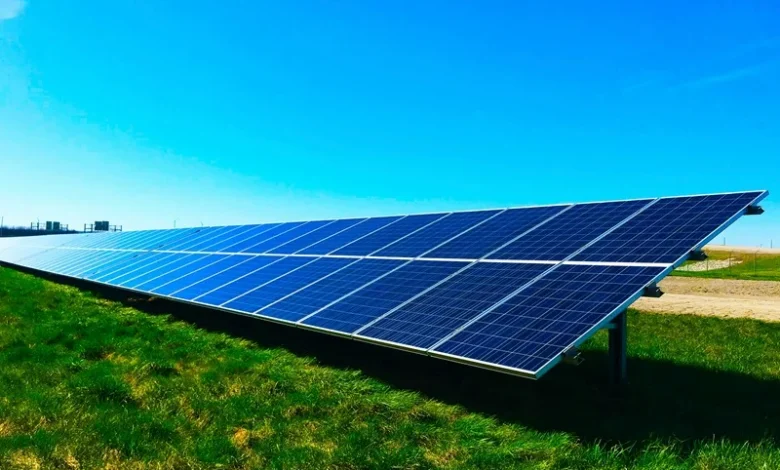
For decades, solar energy was viewed as an expensive option for wealthier households. That’s changing quickly. A wave of new solar technologies now are making clean power cheaper to install and more efficient at converting sunlight into usable electricity, no matter where you live in the world.
Why the Solar Energy Revolution Is Happening Now
Silicon solar panels have been approaching the natural limits for years. Now engineers have found a way to overcome that limit by stacking a thin layer of a material called perovskite on top of standard silicon cells. The tandem design can capture a greater portion of the light spectrum than silicon alone ever could. These panels are already commercially available and the efficiency is far higher than the old panels. So a much smaller roof area can generate much more power than before.Manufacturing costs have fallen, too.
They can be manufactured with simple coating techniques rather than high-heat methods used for silicon. Manufacturing plants around the world are ramping up production. That combo, more output and less manufacturing cost, is driving prices down for ordinary buyers.
What ‘clean power’ looks like on the ground
The real story for a global audience isn’t just science; it’s access. In many areas, people still have limited access to banking and unreliable grid connections and are mobile-first in their daily lives.
The solar industry is pivoting to this reality:
•In parts of Africa and South Asia, families are taking solar kits on a pay-as-you-go basis, paid for through mobile money apps, avoiding big upfront payments.
•Mini-grids and community solar are making their way into rural areas where it is too costly to extend the main power grid.
•Smart battery systems can now shift stored solar energy to the most costly times of day for grid power, automatically lowering your bills.
•Government incentives, from rooftop solar subsidy schemes to net-metering rules in several countries, are lowering the entry cost for households and small businesses.
A simple checklist before going solar
•Check to see if your local or national government offers a solar subsidy, tax credit or net metering program.
•Ask installers if they have tandem or high-efficiency panels versus standard, and check the price difference.
•If you can’t pay the whole amount up front, consider financing options such as pay-as-you-go or mobile money.
•Check warranty and durability terms, as newer panel technology is still being evaluated for long-term reliability.
•Always get at least 2 independent quotes before you commit to an installer.
The Road Forward
There’s no silver bullet that will make solar everywhere overnight. But the course is clear. With tandem cells transitioning from labs to factories and financing options evolving to reflect the way people actually manage their money day to day, solar is transforming from a luxury buy to a practical household decision. The efficiency gains reduce the needed roof space and equipment, and flexible payment models eliminate the largest barrier for lower-income families: the upfront cost.
Conclusion
The solar energy revolution is not a future promise; it is here with more efficient panels, smarter batteries and financing that works for real household budgets. Today, families and small business owners have more affordable, more efficient options than ever to consider solar.”
Takeaway: The best time to go solar was years ago; the second best time is now, as technology and financing are finally aligned to your benefit.
Explore More Clean Energy Insights
Which Energy Source Wins Today?
Compare wind and solar for your needs.
Which Cities Lead Solar Growth?
Discover India’s fastest-growing solar hubs.
Who Tops Solar Adoption Rankings?
Browse the leading solar-powered Indian cities.
How UAE Powers Yemen Sustainably?
Look into its major solar energy initiatives.
What Happens To Old Panels?
Find how solar waste is managed responsibly.