
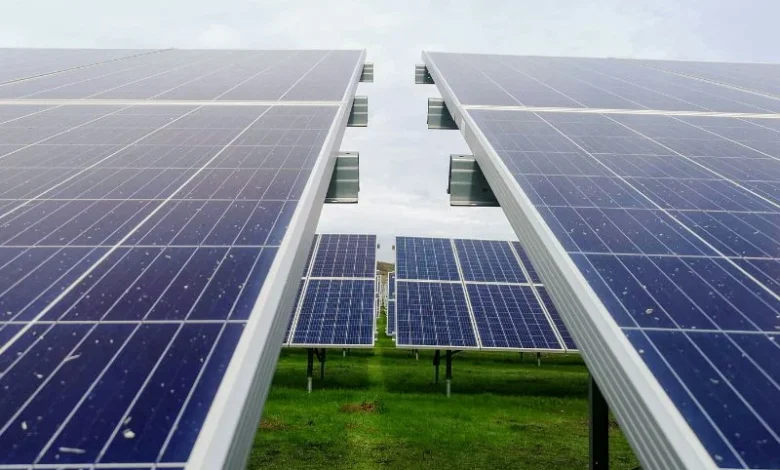
China has installed more solar capacity than the rest of the world combined. And this growth is now transforming landscapes in ways few people expected. China solar power bird diversity, But a new peer-reviewed study has found a real link between the solar buildout in China and a decline in bird diversity in several areas, a finding with implications for any country rushing to embrace clean energy.
What the study revealed
Researchers followed solar policy strength and bird sightings in more than 2,300 counties from 2014 to 2023. They compared government advice on solar with bird sightings from the public, using a standard biodiversity formula to measure the number and distribution of species.
Diversity declined slightly but steadily. It was mostly documented in non-arid counties with higher income, especially where birds nest within dense foliage and shrubs. Desert areas and poorer counties experienced little or no change, probably because fewer bird species relied on those areas in the first place.
Why Solar Farms Impact Birds
The problem is not the panels themselves. It is what occurs to the land around them.
Scientists have noticed that after a solar farm is put in, plant cover often comes back, but it’s a simpler, more repetitive kind of plant cover. They referred to this as “inferior greening.” The land can be green again, but it lacks the mix of grasses, shrubs and flowering plants that different birds need for food, nesting and shelter from predators.
Not Just A China Story, A World Issue
Bird researchers outside China report similar patterns where large-scale China’s solar power projects replace natural habitat. Generalist adaptable birds tend to move in, whereas the more specialist birds tend to disappear.
But the experts are quick to add some balance. All in all, solar power causes far less environmental damage than coal or oil. This is not an attack on clean energy but an urging to develop it more thoughtfully.
Simple Steps Ahead
• Do not site large solar farms in vegetated, ecologically sensitive areas.
• Favor rooftop and urban solar in areas rich in biodiversity.
• Don’t just plant any greenery, but diverse native plants under and around panels.
• Coordinate solar permits with existing biodiversity protection regulations.
• See the impact on wildlife and energy production.
Conclusion – China solar power bird diversity
Solar power is still one of our best tools to fight climate change, but this research is a reminder that clean energy has to be carefully designed too. With smarter planning, solar growth and bird diversity don’t have to compete.
Explore More: Discover the Ideas and Innovations Shaping Tomorrow
Which Technologies Will Transform Industries Next?
Discover the breakthrough technologies that could reshape traditional industries and the future of work.
Why Are Wetlands So Important Globally?
Explore the world’s most important wetlands and learn why they are vital for nature and humanity.
Can Innovation Improve Renewable Energy Reliability?
Check out the latest innovations making renewable energy cleaner, smarter, and more dependable.
Which Countries Lead Green Living?
Discover the 2026 ranking of the world’s greenest countries and their sustainability achievements.
How Are Cities Fighting Climate Change?
Explore the cities investing in climate-resilient infrastructure to