Staying Safe in High-Humidity Heatwaves: 4 Ways to Prevent Heat Exhaustion at Home Without Air Conditioning

High humidity can make a heatwave feel even more uncomfortable. When the air is full of moisture, sweat evaporates more slowly, making it harder for your body to cool itself. This increases the risk of heat exhaustion, especially for older adults, children, and people with chronic health conditions. Fortunately, there are simple ways to stay cool at home even without air conditioning.
1. Keep Your Home as Cool as Possible
Block direct sunlight by closing curtains, blinds, or shades during the hottest part of the day. If outdoor temperatures become cooler in the evening, open windows to improve ventilation and let fresh air circulate through your home.
2. Stay Hydrated Throughout the Day
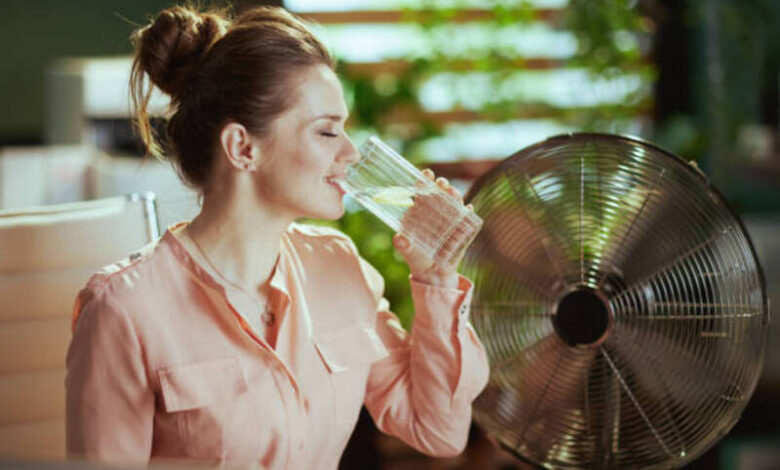
Drink water regularly, even if you don’t feel thirsty. High humidity causes your body to lose fluids through sweating, and dehydration can develop quickly. Avoid excessive alcohol and sugary drinks, as they can contribute to fluid loss.
3. Wear Lightweight Clothing and Take Cool Showers
Choose loose-fitting, light-colored cotton clothing that allows your skin to breathe. Taking a cool shower or placing a damp towel on your neck, wrists, or forehead can help lower your body temperature and provide quick relief.
4. Reduce Indoor Heat Sources
Appliances such as ovens, clothes dryers, and incandescent lights generate extra heat. Cook simple meals, switch to LED lighting, and turn off electronic devices when they are not in use to keep indoor temperatures lower.
Watch for Signs of Heat Exhaustion
Seek immediate cooling if you experience:
- Heavy sweating
- Dizziness
- Muscle cramps
- Weakness
- Nausea
- Headache
If symptoms worsen or include confusion, unconsciousness, or a body temperature above 40°C, seek emergency medical care immediately.
Conclusion
Heatwaves combined with high humidity can place significant stress on the body, even indoors. By staying hydrated, keeping your home cool, wearing breathable clothing, and reducing indoor heat sources, you can lower your risk of heat exhaustion and stay safer during periods of extreme weather.
FAQs
Why is high humidity dangerous during a heatwave?
It slows the evaporation of sweat, making it harder for the body to cool itself.
How much water should I drink?
Drink water regularly throughout the day and increase intake if you’re sweating heavily.
Can fans help during humid weather?
Yes. Fans improve airflow and can help sweat evaporate more effectively, especially when combined with other cooling methods.
Who is most at risk of heat exhaustion?
Older adults, young children, pregnant women, outdoor workers, and people with chronic medical conditions.
Can heat exhaustion occur indoors?
Yes. Poorly ventilated homes without adequate cooling can become dangerously hot during heatwaves.