Decades of Water Projects, Still No Escape From the Rain
Decades of irrigation projects have not freed farms from rain. Learn why drought-proofing farms struggles and what local water solutions can help.

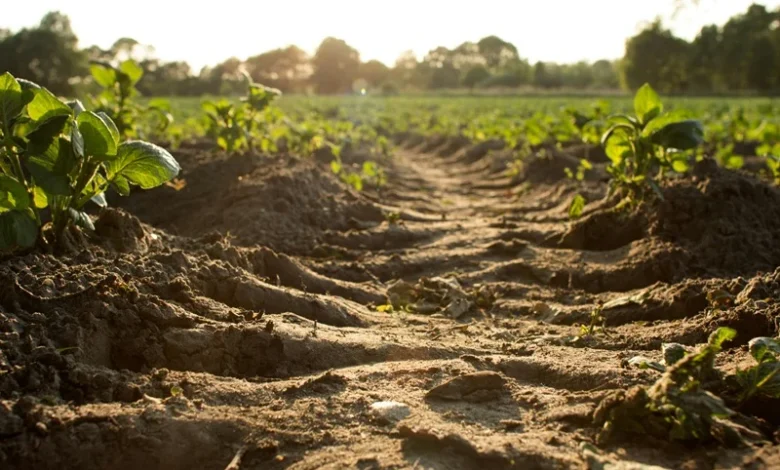
Fifty years of dams, canals and rural water schemes have changed little. This year rain still determines whether a farming family eats well or goes hungry. Governments across Asia, Africa and Latin America have spent money on what planners call drought-proofing But the evidence still points the same way: Majority of smallholder farms are still betting on the sky.
Why Drought-Proofing Has Not Worked
Much of the world’s food production is based on irrigation, but water supply shortages have been increasing for years, not diminishing. Rivers, lakes and underground aquifers that once fed farms are being drained faster than nature can replenish them. In many rural districts, canals built decades ago to bring water to fields are dry and unused, either because pumps broke down, funding for upkeep dried up or the water source itself is no longer reliable.
The result is a pattern we recognize. Big infrastructure gets built, ribbon gets cut, and in ten years the system quietly falls apart from lack of maintenance. Meanwhile the farmer at the end of the canal is exactly where their parents were: looking up at the clouds.
The Monsoon Is Changing Too
Even in areas never reached by irrigation, farmers traditionally depended on the monsoon or seasonal rains as a fallback. And that backup is less reliable now as well. Warmer oceans and weather patterns are delaying the arrival of rainy seasons, shortening their duration or bringing water in brief, damaging pulses instead of steady, useful showers. A farmer who has read the sky for forty years may find those old signs no longer apply.
What’s Actually Working, Slowly
Not all attempts have failed. In parts of Africa’s Sahel region, programs combining solar-powered water pumping, drip irrigation and small-scale water storage have yielded tangible results, more than doubling harvests for some farming families. The secret to making projects work is local ownership: communities that own and maintain their own pumps and wells tend to keep them running long after outside funding ends.
Practical Checklist for Farming Communities
•“Don’t just build. Push for funding to maintain irrigation.”
•Alongside big schemes, create small farmer-managed water storage (ponds, tanks).
•Plant different crops, such as sorghum or millet, which can survive drought conditions.
•Use mobile weather alerts, where available, rather than relying on memory of past seasons.
•They’re also helping farmer cooperatives share resources for water access.
Conclusion
Drought-proofing wasn’t just building infrastructure once and walking away. It needs constant maintenance, honest accounting for water and an acknowledgment of the changing patterns of rain under our feet. But as long as governments see irrigation as a one-off project, not a permanent responsibility, the farms will rely on the rain and the rain is becoming more unpredictable.
Dive into nature’s hidden stories and discoveries.
How Much Fungi Remains Undiscovered?
Check out what scientists still haven’t identified.
Why Are Kelp Forests Disappearing?
Find out why these ecosystems are vanishing.
Why Is Every Snowflake Unique?
Uncover the physics behind their shapes.
Why Does Losing Predators Matter?
See how ecosystems can be disrupted.
Why Does Rain Smell So Good?
Explore the science behind petrichor.