
Eastern Spain Floods: Barcelona and Valencia Hit Hard as Mediterranean Storms Unleash Flash Floods

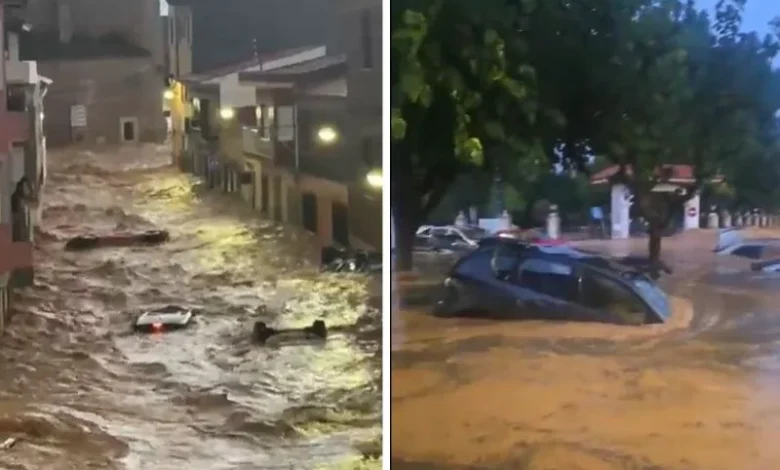
Heavy storms have returned to eastern Spain, bringing a fresh wave of torrential rain and flash flooding to a region still healing from the catastrophic 2024 disaster. Streets in Barcelona and Valencia have turned into rivers within minutes, airports have shut their doors, and emergency teams are searching for a missing woman swept away near the village of Olivella. For millions of readers watching climate-driven weather extremes unfold worldwide, this story is a sharp reminder of how quickly a Mediterranean downpour can turn deadly.
What Is Happening in Eastern Spain Right Now
Spain’s national weather agency, AEMET, issued its highest red alert for Barcelona and raised warnings across Catalonia, Valencia and Almeria after intense rain bands formed over the warm Mediterranean Sea. In some municipalities, more than 70 millimetres of rain fell in just half an hour, overwhelming drainage systems built for far gentler weather.
Valencia Airport was forced to close temporarily, diverting a dozen flights, while every metro line in the city was suspended. Mass mobile phone alerts, a system introduced after criticism following the 2024 tragedy, were sent to residents urging them to stay off the roads.
Why This Keeps Happening
This is not an isolated event. Eastern Spain sits in a hotspot for a weather pattern locally called DANA, where cold air aloft meets warm, moisture-rich air near the coast, producing explosive flash floods in short bursts. Scientists link the growing frequency and intensity of these storms to a warming Mediterranean Sea, which allows the atmosphere to hold and release far more water than in past decades.
The Shadow of 2024
Many residents are watching this unfold with visible anxiety. The October 2024 floods killed more than two hundred people in the Valencia region, Spain’s deadliest natural disaster in modern history, and exposed serious gaps in early warning systems. That disaster sparked public anger, protests, and reforms to emergency communication, including the phone alert system now being used again.
How Local Authorities Are Responding
- Civil protection teams in Catalonia have deployed firefighters, drones and underwater rescue units to search flooded streams.
- Schools and universities in more than twenty municipalities across Murcia and Almeria were closed as a precaution.
- AEMET continues issuing real-time alerts through its app and website, now a primary source of safety information for residents.
- Transport operators, including metro and airport authorities, are coordinating closures the moment red alerts are declared.
What Travellers and Residents Should Know
Anyone in or planning to visit eastern Spain this week should monitor AEMET’s official warnings, avoid driving through flooded streets or near ravines, and follow instructions from Guardia Civil and local police without delay. Low-lying coastal towns and areas near dry riverbeds, known as ramblas, remain the highest risk zones during sudden downpours.
Conclusion
Eastern Spain’s latest brush with torrential rain and flooding shows that the dangers exposed in 2024 have not gone away, they have simply returned with the same destructive speed. Staying informed through official alerts and avoiding unnecessary travel during red warnings remains the simplest way to stay safe when the skies over the Mediterranean turn violent.
Track the latest climate changes.
Is Your Seafood Becoming Riskier?
Find how El Niño affects ocean pollution.
Why Are Heatwaves Getting Worse?
Check out the link between monsoons and El Niño.
What Happens During Super El Niño?
See the major weather changes ahead.
Could Food Prices Rise Soon?
Uncover how climate affects grocery costs.
How Will Weather Patterns Change?
Get to know this summer’s biggest climate shifts.