Australia Storms 2026: Victoria Braces for Three Months of Rain as Wild Weather Hits the South-East
Victoria weather faces severe storms, with parts of the state forecast to receive three months’ worth of rain. Read the latest forecast now. for Victoria.

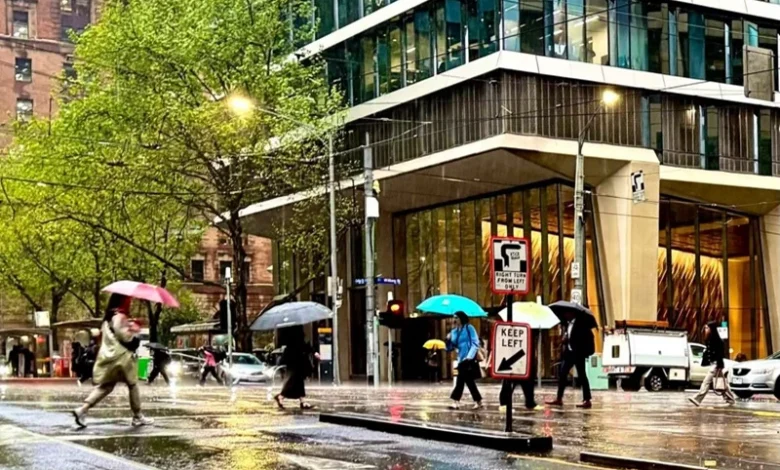
Heavy clouds are gathering over Australia’s south-east, and this time the warning is serious. Forecasters say parts of Victoria could see close to three months’ worth of rain falling in just a matter of days, as a powerful Australia storms system rolls across the region. From Melbourne to Sydney and Canberra, millions of people are being told to prepare for sudden downpours, strong winds and the risk of flash flooding.
What Is Actually Happening
The Bureau of Meteorology has tracked a deep low-pressure system moving in from the south-west, pulling in warm, moisture-heavy air from the north. When that warm air collides with the colder air behind the front, it creates exactly the kind of unstable atmosphere that produces intense, fast-moving storms. Unlike a normal rainy week, this event is unusual because of how much water could fall in such a short window, turning dry paddocks and city drains alike into fast-running streams within hours.
Why Victoria Is in the Spotlight
Victoria’s central and north-eastern ranges are expected to bear the brunt of the rainfall, with some areas forecast to receive totals that would normally take an entire season to accumulate. Melbourne, already a city with ageing stormwater infrastructure in several older suburbs, is watching closely. Local councils have flagged possible road closures and public transport delays if rain intensity peaks during commuting hours, and Melbourne Water has reminded residents to report blocked drains before the heaviest rain arrives.
How Sydney and Canberra Fit Into the Picture
While Victoria faces the heaviest falls, the same weather system is expected to push storms north-east towards New South Wales and the ACT. Sydney is likely to see a milder but still significant soaking, while Canberra could face sharp, short-lived storms with hail and gusty winds. The ACT Emergency Services Agency is monitoring conditions closely, and authorities across all three cities are coordinating alerts through the Bureau of Meteorology’s app and the Emergency+ app, which many Australians already have installed on their phones for bushfire and flood season.
Staying Safe During the Wet Spell
Emergency services, including the NSW State Emergency Service, are urging residents in low-lying or flood-prone areas to stay alert rather than wait for official evacuation orders. A few sensible steps can make a real difference:
- Keep mobile phones charged and weather alerts turned on
- Avoid driving through flooded roads, even if they look shallow
- Clear gutters and drains around the home before the rain arrives
- Keep an emergency kit with torches, water and basic supplies ready
- Check on elderly neighbours or those living alone during peak storm hours
Public transport operators in Melbourne and Sydney have also said services may be reduced if tracks or roads become waterlogged, so checking transport apps before heading out is a simple but useful habit this week.
Looking Ahead
Climate researchers note that south-east Australia has seen more of these compressed, high-intensity rain events in recent years, a pattern many link to shifting rainfall seasons rather than one-off bad luck. Whether or not that trend continues, the immediate priority for residents is straightforward.
Conclusion
This week’s storms are a timely reminder that preparation matters more than panic. Staying informed through official weather channels, securing your home, and avoiding unnecessary travel during peak rain hours will keep most people safe while Victoria, Sydney and Canberra ride out one of the wettest stretches of the year.
Track the latest climate changes.
Is Your Seafood Becoming Riskier?
Find how El Niño affects ocean pollution.
Why Are Heatwaves Getting Worse?
Check out the link between monsoons and El Niño.
What Happens During Super El Niño?
See the major weather changes ahead.
Could Food Prices Rise Soon?
Uncover how climate affects grocery costs.
How Will Weather Patterns Change?
Get to know this summer’s biggest climate shifts.