California’s First Sea Turtle Eggs Mark a Historic Milestone for the US West Coast

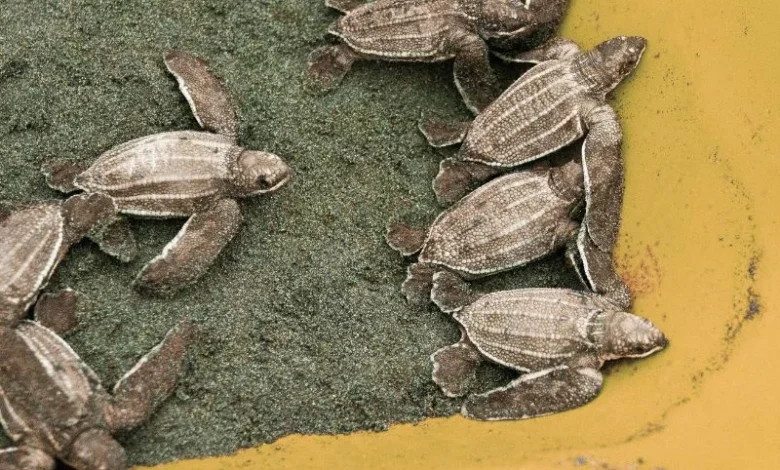
Turtles have swum along the California coast for as long as anyone can remember, but nesting there was another matter entirely. Then came the discovery that changed that assumption. Federal officials confirmed that sea turtle eggs had been laid on a California beach, something no one had officially recorded before on this part of the coastline. It’s a small find in physical terms, just a patch of disturbed sand, but biologists are treating it as a meaningful sign of how quickly ocean conditions along the US West Coast are shifting.
Why This Discovery Matters
For decades, the thinking was simple: California’s water is too cold for turtles to nest in, even though plenty of them pass through or feed offshore. Nesting needs warm sand to keep eggs at the right temperature, and that’s traditionally meant beaches in Mexico, Central America, or the Pacific Islands. So when eggs actually turned up here, it wasn’t just a curiosity. It suggested the coastline itself may be warming enough to make nesting possible in a place where it simply wasn’t before.
A Bigger Pattern: Green Sea Turtles Moving North
This isn’t a one-off. Over the past several years, researchers have noticed more green sea turtles settling into places like the San Gabriel River and Seal Beach in Southern California, areas that barely had turtle sightings a couple of decades ago. A few things seem to be driving this:
- Warmer coastal waters that turtles now find tolerable further north
- Mexico’s long-running conservation efforts, which have helped populations recover
- Simple population growth pushing turtles into territory they hadn’t used before
- Quieter, human-altered waterways that offer some shelter from boats and fishing lines
What It Means for Conservation Worldwide
Green sea turtles are still protected under the US Endangered Species Act, with some populations listed as endangered and others as threatened. A confirmed nest gives conservation groups something concrete to act on, rather than guesswork. It helps shape decisions about which beaches need monitoring, how to manage predators near nests, and where public education might be needed next, lessons that apply well beyond California’s coastline.
What Beachgoers Anywhere Can Do
- Leave eggs and hatchlings alone. Don’t touch or move them.
- Tell local wildlife authorities right away if you think you’ve spotted a nest.
- Keep dogs on a leash near dune areas.
- Skip bright lights on the beach at night. Hatchlings rely on moonlight to find the water.
- Back local turtle conservation groups if you’re able to.
Conclusion – Sea Turtle Eggs
One nest on one beach might not sound like much, but it’s a quiet signal of a much bigger shift happening in the ocean. Wherever you live, keeping beaches clean and nesting sites undisturbed is still one of the easiest ways to give sea turtles a fighting chance.
Wildlife Stories Every Nature Lover Should Explore
Are Flea Treatments Harming River Wildlife?
Check out how pet treatments may affect UK waterways.
Could Bird Flu Threaten Victoria Wildlife?
Find out how the outbreak is putting birds at risk.
Why Should Wildlife Lovers Visit Kaziranga?
Uncover the park’s must-see wildlife experiences for 2026.
What Wildlife Thrives In Kerala Backwaters?
Browse the unique birds and aquatic species found there.
Which Kenya Safaris Offer Unforgettable Wildlife?
See the top safari experiences for discovering Kenya’s wild side.