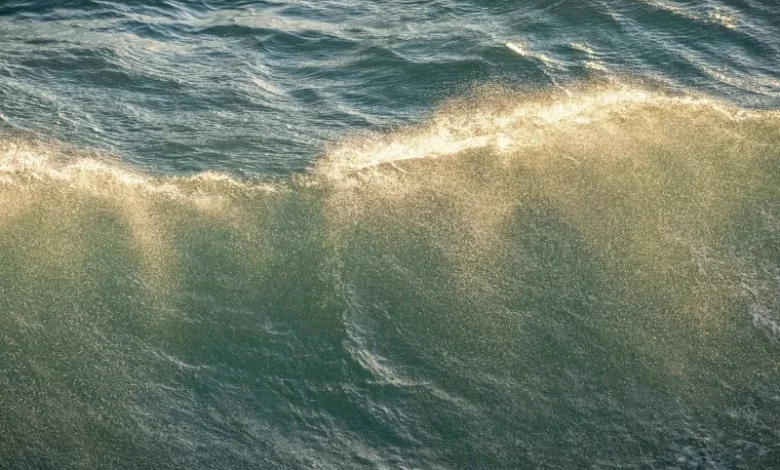
Ocean alkalinity enhancement is the process of adding alkaline materials to ocean water, allowing it to absorb more CO2. In August 2025, scientists conducted the first open-water experiment under the EPA authorization in the Gulf of Maine.
What Did the Experiment Figure Out?
Preliminary results demonstrate that during the four-day-long experiment, around (and added) 2-10 tons of CO2 were enriched in the ocean; the modeling outcomes point to the number of around 50 tons a year. There was no measurable impact over aquatic life.
Is There Anyone Who Sells Credits?
A firm from Nova Scotia announced the first ocean alkalinity enhancement credits in June 2026 for more than 600 tons and among those who bought it were such brands as Shopify and British Airways. The Woods hole team does not support large scale implementation.
What Are the Threats?
Scaling would mean adding alkalinity to vast territories of oceans resulting in enhanced ecological risks. NOAA estimates the costs of around 160 dollars per ton of alkalinity added. It also matters in terms of governing, as the report on the High Seas Treaty shows, and cannot substitute emission cuts.
Keep Reading more Environmental Changes
Are coral reefs on the brink?
See what mass bleaching means for the ocean.
Why are seas running out of oxygen?
Read about ocean dead zones.
Do whales help the climate?
Find out how sea giants help capture carbon.
Why are kelp forests disappearing?
See what threatens the ocean’s underwater forests.
Is sea level rise speeding up?
See what the latest data show.