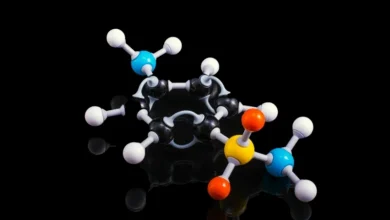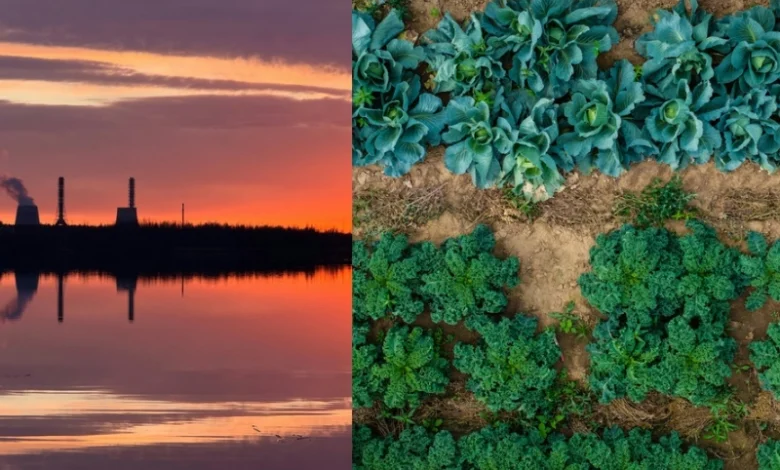
Gene editing gene technology could assist plants contend with pests, heat and drought. In March 2025, India announced the introduction of genetically modified rice varieties including Kamala rice (as known as DRR Dhan 100) and Pusa DST Rice 1.
What Are They?
Kamala rice is estimated to produce up to 19 percent more and mature nearly 20 days before compared to regular rice. Pusa DST also withstands drought and salt more easily, resulting in an increase in yield as high as 30 percent.
How Does It Differ From GMOs?
Gene editing technology uses no foreign genetic material which is the reason why India does not regard such crops as GMOs. The EU, however, treats the gene-edited crops as GMOs.
What Should Be Taken Into Consideration?
The production of the new varieties must be initiated, and the yield data comes from the initial trials rather than from general farming. Actually, ICAR (Indian Council of Agricultural Research) has initiated numerous projects which include editing rice and other crops.
Read more Climate and Nature Changes
How healthy is our soil?
See why healthy soil is running out.
Can growing food indoors help?
Weigh the pros and cons of vertical farming.
Is food waste a climate issue?
See how food waste adds to climate change.
Is sand really running out?
Explore why the world is short of sand.
Is India’s monsoon changing?
Read how climate change is reshaping the monsoon.