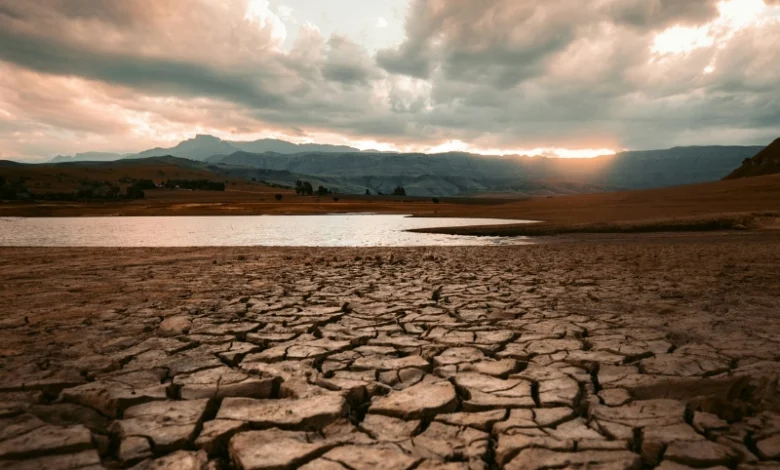
Flash droughts cause rapid decreases in soil moisture, often occurring within days or weeks, not months. They can destroy crops, as was the case in the US in 2012 when flash droughts resulted in losses of approximately $35.7 billion in corn.
How are flash droughts formed?
The presence of hot, dry air creates high evaporative demand, combined with very little rainfall, resulting in rapid drops in soil moisture levels. Heat and wind force water out of the plants and soil, and the drying process accumulates.
Are flash droughts on the rise?
A Science study showed that flash droughts have become more common in 74 percent of tested areas during the last sixty years, mainly thanks to the human-induced rise in temperatures. In a scenario with high emissions, the risk of cropland droughts in Europe is projected to reach 53 percent by 2100 from the current 32 percent.
What is the status in Europe and India?
In Europe, each degree Celsius of warming contributes approximately one additional flash drought, as well as 6 percent more affected territory according to the 2025 research paper. In India, flash droughts rate is supposed to increase seven-fold as farmers heavily rely on monsoons.
Read more Environmental Changes
Why are winters losing their snow?
Learn about snow droughts.
Is extreme heat a health crisis?
Learn why heat is becoming a public health threat worldwide.
What do weather alerts mean?
Decode yellow, orange and red warnings.
How healthy is our soil?
See why healthy soil is running out.
Why is tropical rainfall moving north?
Read how rain belts are shifting.