Hurricane Polo Batters Mexico’s Pacific Coast: Category 5 Storm Triggers Evacuations and Flood Warnings

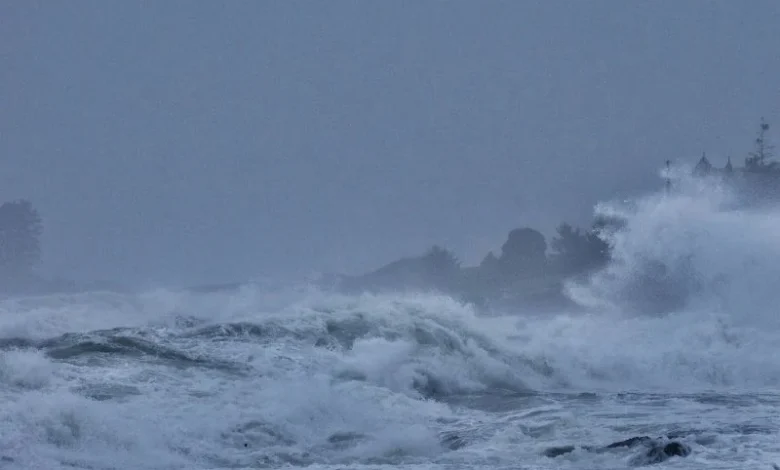
Hurricane Polo grew into one of the strongest storms the Pacific has seen in decades. As it moved along Mexico’s Pacific coast, entire towns shut their ports, closed schools and braced for flooding. Hurricane Polo strikes Mexico, For coastal families anywhere in the world who deal with storms every year, Polo is another reminder of how fast normal life can be turned upside down by extreme weather.
How Strong Did Hurricane Polo Get
Polo’s winds reached about 180 mph according to the National Hurricane Center, making it the third storm this season to hit that top level of strength, following Genevieve and Lowell earlier in the year. Winds at that speed put Polo among only a handful of Pacific storms recorded in the last fifty years, and it explains why authorities acted so quickly along the coast.
Impact Along the Coastal States
Mexico’s navy shut down ports in Guerrero and Michoacán as a safety measure and told fishermen and residents to stay alert. Schools in several coastal towns closed for the week, and red flags went up on beaches to stop people from entering the water.
As Polo pushed further along the coastline, the danger shifted north toward Baja California Sur, where the storm regained full strength with winds near 160 mph. Forecasters warned it could reach the mainland again about a day later, raising fears of serious flash flooding in Baja California Sur, Sinaloa, Sonora and Chihuahua.
Who Is at Risk and What Locals Are Doing
- Families in Guerrero, Michoacán, Jalisco and Colima were warned about heavy rain
- Fishing crews were told to pull boats out of the water and stay onshore
- Several days of strong wind and rain led to evacuations and cancelled classes
- Beach access in San Jose del Cabo was blocked off after dangerous waves formed
In many of these coastal villages, people rely more on cash than on banking apps, and mobile alerts from local radio stations often reach residents faster than anything online, which is why early warnings matter so much in these areas.
What This Means for Global Readers
You don’t need to live near Mexico for Polo to matter. It shows how Pacific storms are strengthening faster than they used to. Travellers with beach trips planned, shipping firms that use Pacific ports, and insurers covering coastal property all keep an eye on storms like this one because rapid intensification is becoming the new normal, not the exception.
Simple Safety Checklist for Coastal Residents
- Follow alerts from your official weather agency, not just social media posts
- Keep a power bank and battery radio charged and ready
- Store drinking water and basic food before storm season peaks
- Stay off beaches and low roads once warnings are issued
- Know where your nearest shelter is before a storm arrives
Conclusion – Hurricane Polo strikes Mexico
Hurricane Polo shows how quickly a normal weather system can turn into a Category 5 threat strong enough to shut down an entire coastline. Whether you live near Mexico’s Pacific coast or just follow storms from afar, the takeaway is simple: prepare early, listen to official warnings, and never assume a fast growing storm will stay far away.
More stories on extreme weather.
Why Is Bangladesh Facing Flood Risks?
Find the latest climate insights.
What’s Driving India’s Weather Split?
Check out the extreme weather patterns.
Is Sonamarg Travel Safe Today?
Get to know the latest advisory.
How Severe Are China’s Floods?
Browse the latest emergency updates.
Why Is Northeast India Flooding?
Uncover the unusual jet stream effects.