Yellow-Eyed Penguins Face Extinction as Fishing Nets Push New Zealand’s Rarest Seabird to the Edge

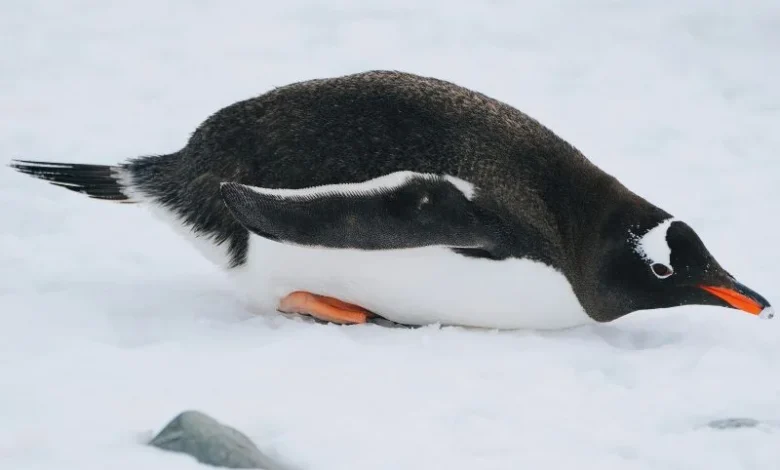
Walk along a quiet stretch of coast near Dunedin today and you’re unlikely to spot one of New Zealand’s yellow-eyed penguins. A decade or two ago, that wasn’t the case. yellow-eyed penguins decline, This bird, found nowhere else on Earth, has quietly slipped toward extinction, and much of the recent attention has landed on one avoidable cause: penguins dying in commercial fishing nets.
Why the Population Has Collapsed
Back in 2008, researchers counted more than 700 breeding pairs along New Zealand’s South Island. Today that number sits at around 117. Losing four out of every five birds in under two decades isn’t a slow decline, it’s a near-freefall, and scientists studying the species say they can’t point to just one cause.
What they can say is that set-net fishing is one of the few threats that could be stopped almost immediately, if the political will existed. These nets hang underwater like invisible curtains, anchored to catch fish passing through. A diving penguin doesn’t see the mesh until it’s already tangled, and unlike a fish, it needs to reach the surface to breathe.
The Fight Over Fishing Rules
New Zealand’s fisheries regulator has now made a coastal closure around the Otago Peninsula permanent, stretching roughly 14 kilometres out to sea, along with a yearly cap of four penguin deaths from fishing gear. Local fishing families argue the closure has already pushed at least one boat out of business and say their industry is being blamed unfairly for a much bigger problem.
Marine biologists studying the penguin’s foraging range see it differently. Penguins routinely swim well beyond the protected zone, and researchers warn that losing even one or two breeding adults a year can be devastating, since a small number of individual birds tend to produce most of the next generation’s chicks.
Other Pressures Beyond the Water
Nets aren’t the only problem. People working on the ground report a mix of threats stacking on top of each other:
- A respiratory illness that kills most chicks unlucky enough to catch it
- Rats, stoats, and cats preying on eggs and young birds
- Shifting fish populations tied to warmer ocean temperatures
- Early, isolated concerns about bird flu reaching New Zealand’s coastline
Volunteers spend thousands of hours each year trapping predators and hand-raising sick chicks. It’s slow, unglamorous work, and by most accounts it’s barely keeping pace with the losses.
What People Outside New Zealand Can Actually Do
You don’t need to live near Dunedin to make a difference. A few practical steps:
- Buy seafood labelled as caught using bycatch-safe methods where it’s available
- Support conservation groups with a track record in seabird protection
- Share verified updates rather than repeating rumours about the species
- Keep a respectful distance from nesting beaches if you’re ever visiting the region
Conclusion – yellow-eyed penguins decline
The yellow-eyed penguin’s decline shows how quickly a well-loved species can disappear when fishing gear, disease, and land predators all press on it at once. Tighter no-net zones, honest disease tracking, and informed public support won’t fix everything overnight, but together they’re the difference between this penguin surviving on New Zealand’s coast and becoming something people only read about.
Discover the ocean stories shaping our planet.
Can This Project Save Oceans?
Check out the ambitious marine conservation plan.
Could Stranded Ships Spread Invasive Species?
Find out how Hormuz could face risks.
Why Is Deep-Sea Mining Controversial?
Uncover the global fight over seabeds.
Could El Niño Pollute Seafood?
See why changing ocean conditions matter.
What Does Vancouver’s Heat Record Signal?
Explore what 2026’s weather shift reveals.