
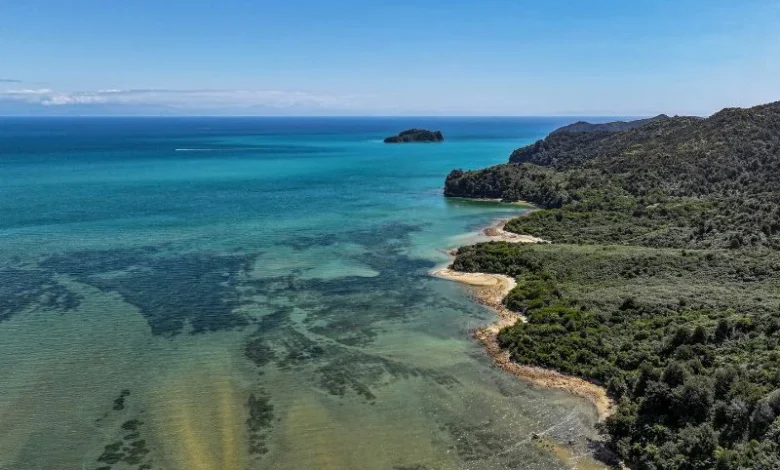
A small strip of land off the southeastern coast of India is quietly losing its fight against the ocean. Kariyachalli island, part of the Gulf of Mannar Marine National Park between Rameswaram and Thoothukudi, has shrunk by more than 70 percent since 1969. Gulf of Mannar sinking islands, Scientists now warn it could vanish completely within the next decade, and that makes this one of the clearest early warnings of what rising seas can do to coastal life everywhere.
Why Kariyachalli Island Is Disappearing So Fast
The island once covered nearly 21 hectares. Today it measures barely six hectares, shrinking further to around three hectares during high tide. A study by IIT Madras pointed to three forces working together against it:
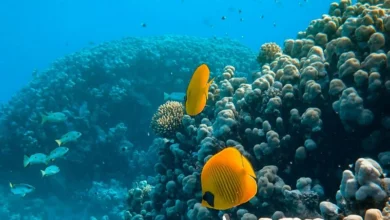
- Warming seawater bleaching the coral that once protected the shoreline
- Decades of illegal coral mining that stripped away natural barriers
- Sea level rise adding steady pressure on an already weak coastline
Corals are living structures that break the force of waves before they reach land. When they die, an island loses its natural shield, and erosion moves much faster than anyone expects.
India’s Answer, An Artificial Reef Built By Hand
Instead of waiting for nature to heal on its own, the Tamil Nadu government took matters into its own hands. Under the TNSHORE project, workers are lowering thousands of specially cast concrete blocks onto the seabed around the island.
Each block weighs close to 1.8 tonnes and sits in a semi-circle roughly 250 metres from the shore, forming a barrier that breaks incoming waves before they reach the island. Officials plan to place around 8,500 such units in total, along with fresh seagrass beds to rebuild the wider marine habitat.
This is not India’s first attempt at this kind of fix. A similar artificial reef already helped nearby Vaan island recover part of its lost land, which is why planners feel confident the same approach can work again here.
What This Means For People Living Nearby
Fishing families around Thoothukudi depend on these waters for their daily income. The island, though no one lives there, acts as a natural buffer during storms and gives boats a place to shelter when the sea turns rough. Losing it would expose the mainland coast to stronger waves and disrupt fishing routes that have existed for generations.
A few things worth keeping in mind:
- Watch how the reef holds up across several monsoon seasons before calling it a lasting fix
- Similar reef projects are being studied in Sri Lanka, the Maldives and parts of Southeast Asia facing the same threat
- Coral protection laws in India, including a Supreme Court ban on coral mining, only work if enforcement stays strict on the ground
Conclusion – Gulf of Mannar sinking islands
Kariyachalli’s story is a reminder that small, low-lying islands are usually the first to feel the effects of a warming planet, even in a country as large as India. Whether artificial reefs can hold back the sea for good is still being tested, but the effort gives other coastal regions a working example to learn from. The real takeaway is simple. Saving a small island today could be what protects a much bigger coastline tomorrow.
More stories on extreme weather.
Why Is Bangladesh Facing Flood Risks?
Find the latest climate insights.
What’s Driving India’s Weather Split?
Check out the extreme weather patterns.
Is Sonamarg Travel Safe Today?
Get to know the latest advisory.
How Severe Are China’s Floods?
Browse the latest emergency updates.
Why Is Northeast India Flooding?
Uncover the unusual jet stream effects.