
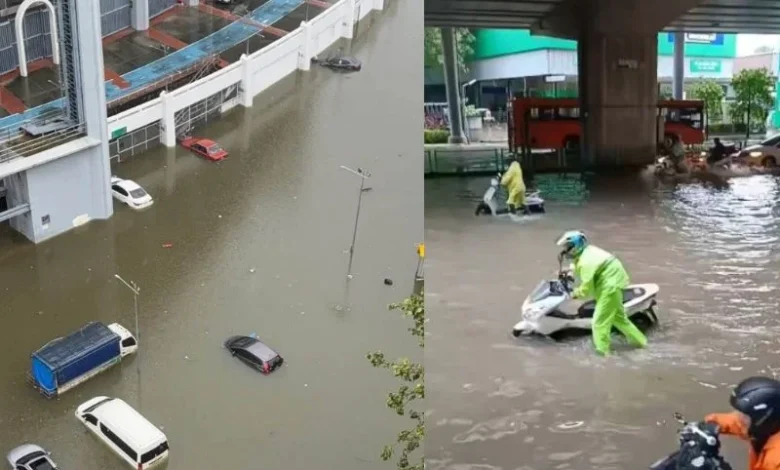
Heavy rain has turned parts of Thailand into a disaster zone this week, and the fallout is already spilling well beyond its borders. The Thailand floods have pushed Toyota to pause plant operations and forced Thai Airways to stop accepting cargo, and both companies confirmed the disruption on Wednesday. For anyone who buys cars, ships goods, or simply flies through Bangkok, this week’s events are a good example of how a weather crisis in one country can quietly reach into daily life somewhere else entirely.
What Actually Happened in Thailand
Bangkok took on around 320 millimetres of rain over just three days last week, close to the amount the city normally sees across all of September. The government has declared Bangkok a disaster-affected zone. Thailand’s interior ministry says at least 24 people have died, with 44 of the country’s 77 provinces hit and flooding still ongoing in 32 of them.
Thailand isn’t just any country when it comes to manufacturing. It sits near the top of the list for global car production and electronics parts, so when its factories stop, the effects rarely stay local for long.
How the Toyota Plant Shutdown Happened
Toyota’s Thai unit said flooding cut off the flow of parts it needs to keep production running. That forced the company to pause:
- Three main assembly plants in Thailand
- One facility belonging to its joint venture, Toyota Auto Works
A company spokesperson said Toyota is now working with its suppliers to get deliveries moving again and restart production once it’s safe to do so. There’s no confirmed restart date yet, so buyers in other markets waiting on a new Toyota may see their delivery pushed back if the shutdown drags on.
Why Thai Airways Stopped Taking Cargo
Thai Airways said a large share of its workforce simply couldn’t get to their jobs because roads were underwater. Because of that, the airline suspended both inbound and outbound cargo acceptance starting Wednesday, with the pause set to run until October 6.
Things weren’t much smoother at Suvarnabhumi Airport, Bangkok’s main gateway. Roughly half its staff couldn’t make it in on Tuesday, which left bags stacking up in the terminal and led to a string of cancelled flights, even though passenger flights kept running overall.
What It Means for People Outside Thailand
You don’t need to live anywhere near Bangkok to feel the knock-on effects. Watch for:
- Slower deliveries for anyone waiting on a new Toyota vehicle
- Delayed shipments for businesses that route cargo through Thai Airways
- Longer waits and possible cancellations for flights connecting through Bangkok
- Added strain on other industries, since Thailand also supplies parts for electronics makers
What You Can Do Right Now
- Confirm your flight status directly with the airline if you’re routing through Bangkok
- Reconfirm shipping dates if you have cargo booked with Thai Airways before October 6
- Ask your dealer for an updated timeline if you’re expecting a Toyota delivery
- Line up a backup supplier early if your business depends on parts from Thailand
Conclusion
What’s happening in Thailand right now is a clear reminder that global trade and travel are only as strong as the local roads, factories, and airports behind them. Toyota’s shutdown and Thai Airways’ cargo pause won’t last forever, but they’re worth paying attention to. Whether you’re a traveller, a car buyer, or a business owner, checking in early and planning around the disruption will save far more hassle than waiting it out.
More stories on extreme weather.
Why Is Bangladesh Facing Flood Risks?
Find the latest climate insights.
What’s Driving India’s Weather Split?
Check out the extreme weather patterns.
Is Sonamarg Travel Safe Today?
Get to know the latest advisory.
How Severe Are China’s Floods?
Browse the latest emergency updates.
Why Is Northeast India Flooding?
Uncover the unusual jet stream effects.