
Tokyo Rain Fatigue: How a Record 35-Day Rain Streak Is Wearing Down a Global City

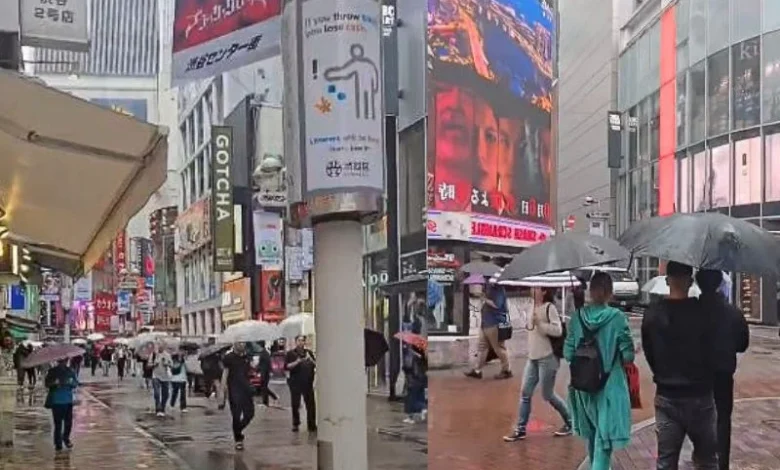
Umbrellas never seem to dry out anymore in Tokyo. For over a month straight, the city has woken up to grey skies and wet pavements, and locals have started calling it Tokyo rain fatigue. The Tokyo 35 day rain streak is not something the Japanese capital sees often, and it has already broken past records. For the millions who live and work here, and for the tourists still arriving with sightseeing plans, the weather has quietly taken over daily conversation.
What Is Causing Tokyo’s Record Rain Streak
Behind the scenes, a strengthening El Niño pattern in the Pacific is doing most of the damage. When ocean surface temperatures rise the way they have this year, jet streams shift, and moist air gets pushed toward parts of East Asia and held there far longer than usual. That is roughly what happened over the Kanto region, where a stalled rain front settled in late August and simply refused to move.
Japan has dealt with long grey stretches before, but they usually come during the standard rainy season, which lasts about six weeks and includes the occasional dry gap. A continuous 35-day run without a real break is a different situation altogether, and it has caught forecasters and residents off guard in equal measure.
Understanding Rain Fatigue
Rain fatigue is not something you will find in a medical textbook, but ask anyone stuck under six weeks of clouds and they will describe it in almost identical terms: low energy, poor sleep, a short temper, and a general reluctance to leave the house. Less sunlight means less vitamin D, and that has a direct line to serotonin levels, which explains why mood dips tend to follow the rain rather than the cold.
How the Rain Is Affecting Daily Life in Tokyo
Walk around the city right now and the effects are hard to miss:
- Train platforms are more crowded than usual as fewer people walk or cycle to work
- Small shopkeepers along open-air streets are seeing noticeably thinner crowds
- Farms supplying vegetables to the city are struggling with waterlogged fields and slower harvests
- Local clinics report more visits tied to stress, fatigue, and seasonal colds
- A handful of outdoor festivals have been pushed back, something Tokyo’s tightly run event calendar rarely allows
Practical Steps for Residents and Visitors
If you are riding out these weeks in Tokyo, a few small habits go a long way:
- Keep a compact umbrella and quick-dry shoes near the door at all times
- Check the Japan Meteorological Agency forecast each morning before planning your day
- Use Tokyo’s covered underground passages to move between stations without getting soaked
- Save outdoor plans for the short dry windows rather than committing to a full day outside
- Add vitamin D to your diet or through a supplement if the sun stays hidden
- Have an indoor backup ready, whether that is a museum, an arcade, or a quiet café
A Global Weather Signal
What is happening in Tokyo is not an isolated story. El Niño’s fingerprints are showing up in rainfall patterns from Southeast Asia to parts of the Americas this year, and cities that once planned around predictable seasons are now having to adapt to weather that simply will not follow the old script.
Conclusion – Tokyo rain fatigue
Tokyo’s 35-day rain streak is a small but telling example of how far-reaching El Niño’s grip can be, turning a routine rainy season into something residents will remember for years. Staying informed, adjusting daily habits, and keeping a little patience on hand is the best way through it until the sun finally returns.
More stories on extreme weather.
Why Is Bangladesh Facing Flood Risks?
Find the latest climate insights.
What’s Driving India’s Weather Split?
Check out the extreme weather patterns.
Is Sonamarg Travel Safe Today?
Get to know the latest advisory.
How Severe Are China’s Floods?
Browse the latest emergency updates.
Why Is Northeast India Flooding?
Uncover the unusual jet stream effects.