Typhoon Approaches Eastern Japan: Flood and Landslide Warnings Issued for Millions

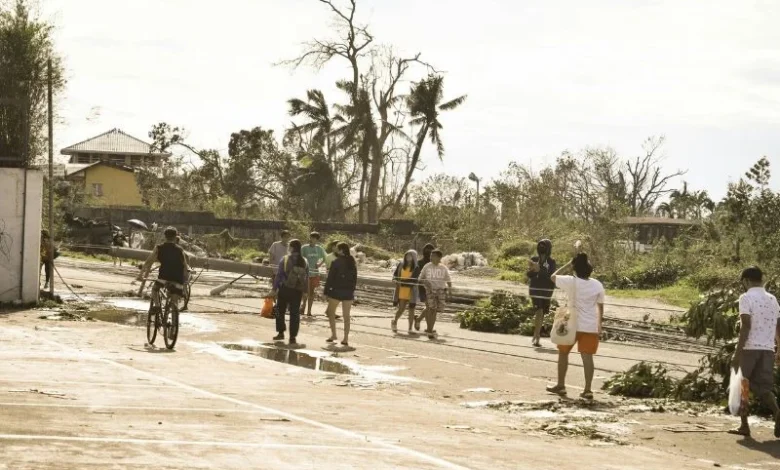
A typhoon is moving toward eastern Japan bringing torrential rains, strong winds and swelling rivers to one of the most populated areas on earth. Japan typhoon flood warnings, The Japan Meteorological Agency has already warned of the risk of sudden flooding and landslides, a warning that is important for both locals and the millions of foreign residents and tourists in the country. The storm is another reminder for a global audience watching Japan’s autumn typhoon season that weather can become dangerous quickly in low-lying and hillside areas.
The reasons to take this typhoon seriously
Japan lies on one of the world’s most active typhoon tracks. Storms that develop in the Pacific tend to strengthen before veering north toward the main island of Honshu. Typhoons that hit a stationary seasonal rain front, not an uncommon phenomenon in September, can drop a huge amount of rain in a matter of hours. This is the exact pattern behind the current flood warnings blanketing Tokyo, Chiba, Kanagawa and surrounding prefectures.
Who Is At Greatest Risk
•Coastal dwellers of flatlands and low-lying river basins.
•People living near hillsides or older homes on the slopes.
•Commuters using train lines that run near rivers.
•Tourists in areas with little English-language emergency signage.
How Japan’s Alert System Works
In Japan, there are five levels of alerts, ranging from advisory to emergency. As a general rule, a Level 4 alert means residents should evacuate, and a Level 5 indicates a disaster may be occurring. Local city offices send out evacuation orders over loudspeakers, mobile alerts and official apps, so it’s important to keep the phone charged and notifications on during typhoon season.
What Residents & Visitors Can Do
•Check the flood warning status for your ward/city before you leave your house.
•Get the official Japan disaster app or follow local government social media.
•Don’t take river walks, paths and underground passages during heavy rain.
•Keep a small emergency kit with water, torch and copies of ID.
•If a landslide warning is issued for your area, move away from slopes at once.
Conclusion – Japan typhoon flood warnings
Typhoons are a fact of life in Japan, but regular doesn’t mean risk-free. Having information from official sources, avoiding flood-prone areas, and evacuating when asked to do so can make the difference between a wet inconvenience and a real emergency. Best bet when the warnings sound is always to act first and ask questions later.
More stories on extreme weather.
Why Is Bangladesh Facing Flood Risks?
Find the latest climate insights.
What’s Driving India’s Weather Split?
Check out the extreme weather patterns.
Is Sonamarg Travel Safe Today?
Get to know the latest advisory.
How Severe Are China’s Floods?
Browse the latest emergency updates.
Why Is Northeast India Flooding?
Uncover the unusual jet stream effects.