Ten Lions Found Dead in Suspected Poisoning at Tanzania Wildlife Reserve: What Happened and Why It Matters

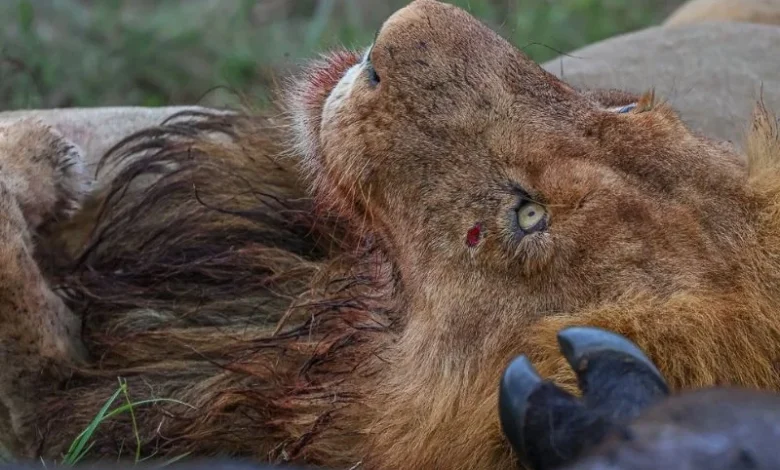
Conservationists around the world are concerned by news that ten lions have been found dead in a suspected poisoning at a wildlife reserve in Tanzania. Tanzania lion poisoning, For a country whose tourism industry relies so heavily on its big cats, a loss like this is more than a sad headline. It is a sign of an age-old struggle between man and nature that seems to go unresolved and that flares up again in different parks year after year.
Learnings From the Incident
The scene described in the reports is one that wildlife officers in East Africa know all too well. The lions are thought to have eaten a carcass that had been deliberately poisoned, probably left out after the pride had attacked someone’s cattle. This kind of reprisal has been seen before near reserves on the fringes of the Serengeti and Ruaha. And it gets worse, because the poison is rarely limited to its target. Vultures and other scavengers that come along to feed on the same carcass often die as well, sometimes in much greater numbers than the lions themselves.
Why Human-Wildlife Conflicts Are Growing
•Farming and grazing land continue to encroach on protected reserves.
•Compensation schemes for farmers whose cattle are killed by predators are often too slow or too small.
•Buffer zones and fencing between wildlife corridors and villages are still weak in many places.
•More people near park boundaries means more contact and more friction between people and animals.
Common Response of the Authorities
Normally organizations such as the Tanzania Wildlife Research Institute will collect tissue samples from the dead animals so the poison can be identified in a laboratory. Investigators also interview nearby residents, and arrests do follow in cases where the evidence holds up. And, often, conservation groups get in on the act, mostly to watch the site so that no more scavengers are poisoned eating what’s left behind.
Global Readers’ Implications
It’s a Tanzanian story but not only that. Lion numbers across Africa have already plummeted dramatically over the past few decades and every poisoning incident like this chips away further at prides that are already struggling to hold on. But it’s not just an environmental issue: safari tourism linked to wildlife reserves provides thousands of jobs and generates real money for Tanzania’s economy. And it’s an economic one too.
Steps Under Discussion to Avoid Future Losses
•Accelerate payments to farmers who lose livestock.
•Community programs providing non-lethal techniques for dealing with predator attacks.
•Increased patrols and rapid response units along reserve boundaries.
•Rangers can use tracking collars to monitor prides before conflict breaks out.
Conclusion – Tanzania lion poisoning
This latest poisoning is a painful reminder that lion conservation can never be divorced from the daily realities of the communities that live alongside them. Real change will come through better pay, better land planning and true cooperation between wildlife authorities and local communities, not through punishment alone.
More stories on extreme weather.
Why Is Bangladesh Facing Flood Risks?
Find the latest climate insights.
What’s Driving India’s Weather Split?
Check out the extreme weather patterns.
Is Sonamarg Travel Safe Today?
Get to know the latest advisory.
How Severe Are China’s Floods?
Browse the latest emergency updates.
Why Is Northeast India Flooding?
Uncover the unusual jet stream effects.