Singapore’s Island Merger Plan Puts Its Last Coral Reefs and Indigenous Fishing Waters at Risk

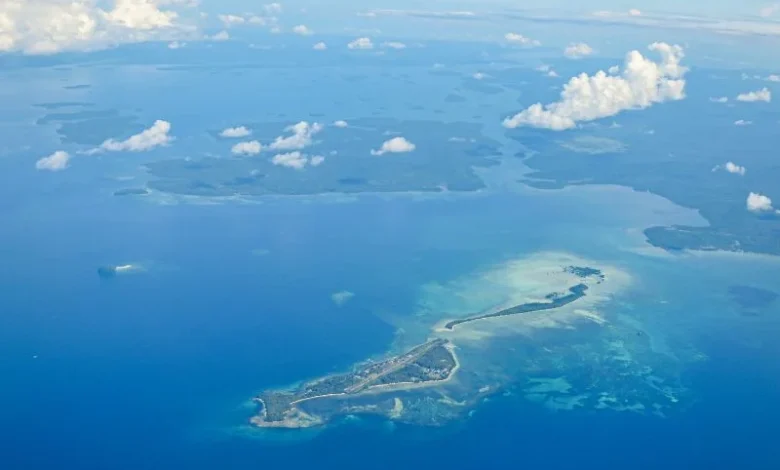
Singapore is known for building land where the sea used to be, but its newest reclamation plan may cost more than anyone bargained for. Singapore coral reefs at risk, The government wants to merge a cluster of southern islands into one large landmass for future industry, and marine researchers say the waters around those islands hold most of what’s left of Singapore’s coral reefs. It’s a project that pits decades of industrial planning against reefs that have survived colonisation, war and years of shipping traffic.
What the Island Merger Plan Actually Involves
Prime Minister Lawrence Wong announced the plan at Singapore’s National Day rally in August 2026. It would join islands including Pulau Semakau, Pulau Bukom, Pulau Sudong, Pulau Hantu, Pulau Jong and Pulau Sebarok into a single “western island,” covering close to 590 hectares of open sea. Officials point to Jurong Island as the model, an industrial zone formed by merging seven smaller islands back in the 1980s. No construction date has been set, and the government says technical and environmental studies are still underway.
Why Marine Scientists Are Alarmed
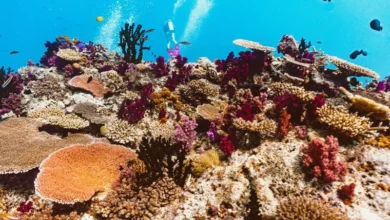
Around 60 percent of Singapore’s surviving coral reefs sit in the waters earmarked for this project, along with a large share of its seagrass meadows. Many of these reefs hold old, large coral colonies that researchers call “mother reefs” because their larvae drift on ocean currents and help restock damaged reefs elsewhere in the region. These colonies can’t simply be lifted and moved somewhere safer, so burying them means losing them for good. The concern feels sharper because of Singapore’s own 100k Corals Initiative, a large-scale reef restoration program that conservationists now worry could be undermined before it has a chance to succeed.
The Orang Laut Community’s Concerns
The Indigenous Orang Laut, meaning “sea people,” have fished these southern waters for generations using traditional trap methods that depend on clear water. Community leaders say they weren’t consulted before the announcement went public and are now asking for a genuine seat at the table during any environmental review. If dredging clouds the water the way past reclamation projects have, traditional fishing simply won’t work anymore, and families who’ve fished the same waters for decades may have to start over somewhere unfamiliar.
A Quiet but Serious Sand Problem
Building an island this size takes an enormous amount of sand, and the region’s supply is already under strain. Elsewhere in Southeast Asia, unchecked dredging has caused real damage, including in Cambodia, where sand mining has threatened the collapse of Tonle Sap, the region’s largest freshwater lake. Singapore hasn’t said yet how much sand this project will need or exactly where it will come from, a gap worth watching closely.
What Responsible Development Would Look Like
- An independent environmental review carried out before construction begins, not after
- Real consultation with Orang Laut communities and local marine scientists
- Public disclosure of where construction sand is sourced
- A serious look at protecting existing reef habitat wherever possible
- Ongoing public updates as the project moves forward
Conclusion – Singapore coral reefs at risk
Land is scarce in Singapore, and the pressure to build is real. But this project forces a harder question: how much of the natural world is worth trading for industrial space, and who gets asked before that trade is made. How Singapore handles the next few years of planning will decide whether this becomes another quiet loss or a genuine example of growth balanced with care for the sea it depends on.
More stories on extreme weather
Why Is Bangladesh Facing Flood Risks?
Find the latest climate insights.
What’s Driving India’s Weather Split?
Check out the extreme weather patterns.
Is Sonamarg Travel Safe Today?
Get to know the latest advisory.
How Severe Are China’s Floods?
Browse the latest emergency updates.
Why Is Northeast India Flooding?
Uncover the unusual jet stream effects.