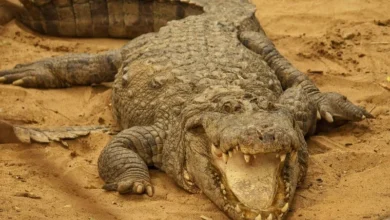

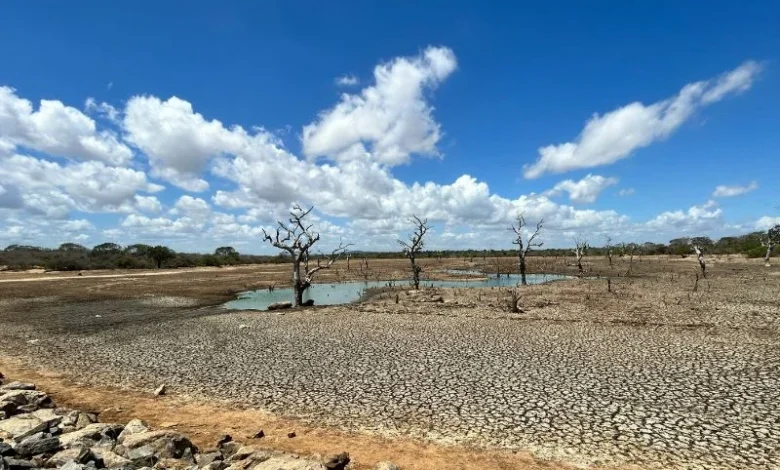
Sri Lanka is experiencing one of the worst dry spells in recent times. Natural ponds are disappearing. Animals at Yala National Park and other reserves are forced to crowd around the few water holes left. Sri Lanka drought, This has created a dangerous opportunity for poachers, who poison these common water sources to kill deer for bushmeat, often wiping out entire families of monkeys, birds and other creatures along the way.
Drought makes wildlife more vulnerable
If rains fail, wild animals stop moving freely across the landscape. Instead, they gather around any water holes that still have moisture. This kind of predictability is what the poachers count on. One poisoned pond can kill the target animal and any other animal that drinks from it afterward – from leopards to langurs.
Wildlife officers say the pattern is repeated every dry season, but this year’s drought, made worse by El Niño weather conditions, has hit farming communities hard. Poaching is sometimes a means of living for struggling farmers, so the threat is as much economic as conservation.
The human health perspective
This is not just a wildlife issue. There can also be harmful agrochemical residue in the meat of poisoned animals. People eating bushmeat from these kills are at serious risk for serious health effects without knowing it. Public health experts are urging communities neighbouring protected zones to stop all consumption and trade of wild meat.
What Authorities Are Doing
In response, the Department of Wildlife Conservation of Sri Lanka has taken several steps:
•Yala National Park Temporarily Closes Two
Busiest Stretches To Reduce Stress On Animals During Peak Heat.
•Natural water holes are getting solar-powered pumps to keep water flowing dozens of times.
•More ranger patrols around isolated ponds in dry zone scrub jungles.
•Working with the Sri Lanka Navy to deliver emergency water to wild ponies on Delft Island in the north.
What Local Communities & Travellers Absolutely
•Avoid closed portions of the park until authorities open them up.
•Report dead animals or suspicious activity near water sources to the park rangers.
•Do not buy or eat wild meat sold informally.
•Support community livelihood programs by local conservation groups near reserves
Conclusion – Sri Lanka drought
The drought in Sri Lanka is revealing a harsh truth. Protecting wildlife today is no longer just about water; it is about safeguarding water. This small island nation’s crisis is a warning to every country with shrinking natural habitats as climate change makes dry spells longer and harsher around the world. Save water, save wildlife.
More stories on extreme weather.
Why Is Bangladesh Facing Flood Risks?
Find the latest climate insights.
What’s Driving India’s Weather Split?
Check out the extreme weather patterns.
Is Sonamarg Travel Safe Today?
Get to know the latest advisory.
How Severe Are China’s Floods?
Browse the latest emergency updates.
Why Is Northeast India Flooding?
Uncover the unusual jet stream effects.