Europe’s Heat and Drought Crisis 2026: How Extreme Weather Is Shrinking Crop Yields Across the Continent

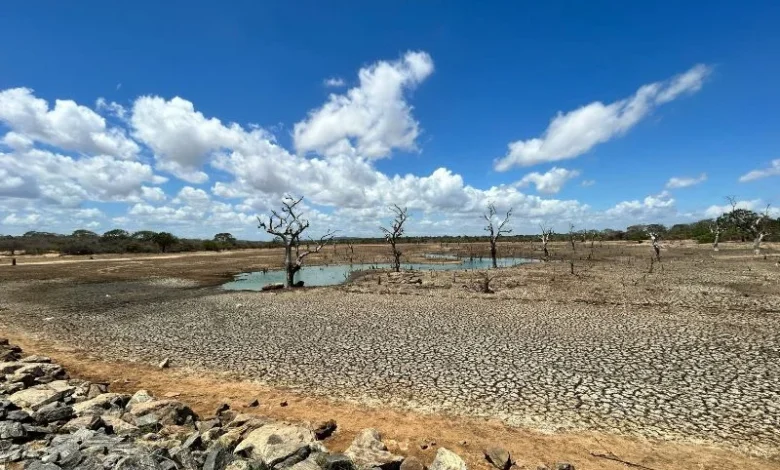
Farmers across Europe are counting the cost of one of the driest, hottest summers on record. European drought 2026, From shrunken potatoes in the Netherlands to parched maize fields in France, this year’s heat and drought has quietly reshaped what ends up on dinner tables worldwide, with crop yields falling sharply in country after country.
Why This Summer Hit Farms So Hard
Scientists studying extreme weather say climate change is making European heatwaves both more frequent and more intense. Long dry spells combined with record-breaking June temperatures left soil too dry to support healthy crop growth in many regions, and farmers had little time to adjust.
Which Countries Suffered the Most
- France lost nearly 8 million tonnes of expected cereal production, the sharpest drop in the EU
- Germany and Poland also saw major declines in wheat, barley and oat output
- Slovakia, Austria and Hungary recorded the steepest falls in yield per hectare
- Portugal was a rare bright spot, thanks largely to irrigated farmland
Maize took a particularly hard hit. France’s harvest is expected to fall by more than a third this year, its worst since 1980.
The Financial Damage
The June heatwave alone is estimated to have caused around €2 billion in cereal losses across Europe, with France, Germany, Hungary and Spain absorbing most of that hit. Some economists believe the wider heat damage could shave close to 1% off the EU’s total economic output this year.
What It Means for the UK and Ordinary Shoppers
British farmers are bracing for one of their weakest harvests since detailed records began in the 1980s, with wheat, barley and oat yields all expected to drop. That points toward smaller vegetables and higher prices at supermarkets in the months ahead, a pattern already echoed in global food prices climbing to their highest level in years.
A Quick Checklist for Households and Small Farmers
- Follow local agriculture ministry updates before planting decisions
- Diversify crops where possible to reduce risk from a single bad season
- Explore drip irrigation or water storage schemes if drought is common in your area
- Budget for seasonal price swings on staples like bread and vegetables
- Support local farmers markets, which often absorb weather shocks better than large supply chains
Conclusion – European drought 2026
This summer’s weather was not an isolated event. It is part of a wider pattern that experts warn will keep testing farmers, food supply chains and household budgets across the world. chains and household budgets across the world. By being ahead of the curve, supporting resilient farming, and understanding local harvest conditions, communities can absorb these shocks, rather than be surprised by them.
Track the latest climate changes.
Is Your Seafood Becoming Riskier?
Find how El Niño affects ocean pollution.
Why Are Heatwaves Getting Worse?
Check out the link between monsoons and El Niño.
What Happens During Super El Niño?
See the major weather changes ahead.
Could Food Prices Rise Soon?
Uncover how climate affects grocery costs.
How Will Weather Patterns Change?
Get to know this summer’s biggest climate shifts.