World’s Rivers Are Drying Up: Simple Steps to Help Save Water Before It’s Too Late

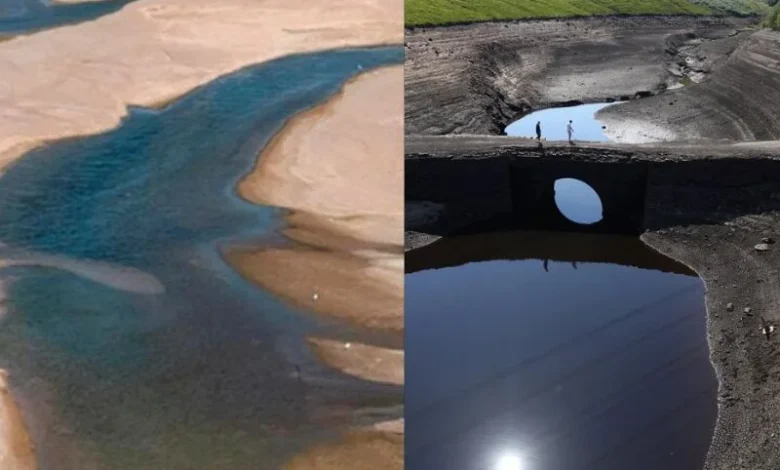
For thousands of years, rivers have fed, cooled and carried human life. Today, however, many of the world’s rivers are running dry, clogged with waste, or dangerously polluted. river conservation tips, From Asia’s great rivers to tiny streams in Europe and Africa, climate change, agriculture and urbanization are pushing these waterways to the edge. Here we look at why the world water crisis is getting worse and what can really be done about it, wherever you are in the world.
Why Rivers Are Under So Much Stress
Rivers are being squeezed from all sides. Farms use large amounts of water to grow crops. Waste, sometimes only partially treated, is discharged by factories and cities. Warmer temperatures mean less snow and ice to feed the rivers in dry months. Throw in plastic waste and sand mining and many rivers just can’t keep up anymore.
•Excessive extraction for agriculture and industry.
•Raw sewage and chemical runoff.
•Melting glaciers altered natural water flow.
•Solid and plastic waste in the rivers.
•Poor planning of dams and riverside construction.
The Effects on Life
A struggling river isn’t just an environmental story on the news. It impacts drinking water supplies, fish stocks that feed millions of families and farm yields that entire communities depend on. In many places, especially where mobile banking and digital payments are widespread, local water boards and municipal apps now warn people about water quality and shortages, so residents don’t have to wait for official announcements to learn something is wrong.
Why It Is So Important to Save Our Rivers Today
River conservation is no longer solely the concern of environmentalists. Many countries have launched cleanup missions and strengthened the regulation of industrial discharge and established community monitoring teams. Even everyday people testing the quality of their water themselves is becoming commonplace, and it’s giving local voices a real say in how rivers are managed and protected into the future.
Simple Steps For Everyone
•Reduce plastic use, especially near rivers and lakes.
•Report any visible pollution to your local municipal authorities.
•Volunteer with a local river cleanup.
•Reduce total demand by saving water at home.
•Use your local government’s official water saving initiatives.
Conclusion – river conservation tips
Saving the world’s rivers is not the work of governments or scientists alone. It begins with the small, daily choices of ordinary people, everywhere. Cut the waste. Talk about pollution. Support the people already doing the hard work to keep local rivers alive. And it all adds up. It’s not complicated, none of it.
Our rivers were our lifeblood. Now it’s our turn to protect them.
More stories on extreme weather.
Why Is Bangladesh Facing Flood Risks?
Find the latest climate insights.
What’s Driving India’s Weather Split?
Check out the extreme weather patterns.
Is Sonamarg Travel Safe Today?
Get to know the latest advisory.
How Severe Are China’s Floods?
Browse the latest emergency updates.
Why Is Northeast India Flooding?
Uncover the unusual jet stream effects.