Indonesia’s Peatland Fires: Why These Underground Blazes Are So Hard to Stop in 2026

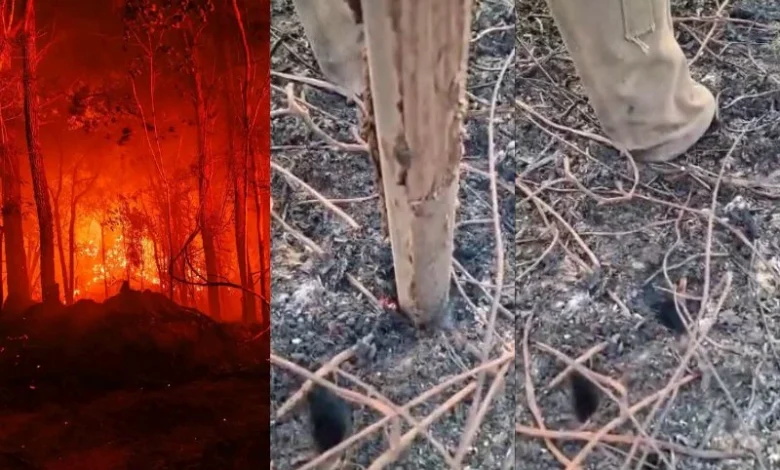
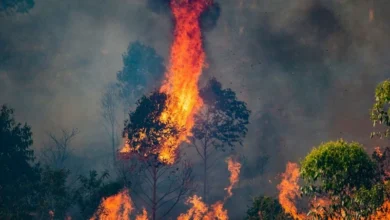
Smoke from Indonesia rolls across Southeast Asia most years, but people who follow this closely say 2026 already feels different. A strengthening El Niño has left the country’s wetlands so dry that fires aren’t staying on the surface anymore. Indonesia Peatland Fires, They’re sinking into the soil itself, turning into slow, creeping fires that can keep burning for months without anyone seeing much flame at all.
What Makes Peatland Fires So Dangerous
Peat is basically old, partly decomposed plant material that stays wet underground under normal conditions. Once drought pulls the moisture out, that same peat turns into fuel. Fire doesn’t rush through it the way it moves through trees and brush. It creeps sideways underground, at low heat, in places nobody can actually watch.
That’s part of what makes it so harmful to breathe. Compared with a typical tropical forest fire, peat fires throw off roughly three times the fine particulate matter, about five times the sulfur dioxide, and close to double the methane and carbon monoxide. For anyone with asthma, young kids, or older relatives nearby, that difference matters a lot.
Why This Year Keeps Getting Compared to 2015
Indonesia holds close to 36 percent of the world’s tropical peatlands, spread mainly across Sumatra, Kalimantan, and Papua. People keep bringing up 2015 because that was one of the worst fire years on record, and the same ingredients are back: a strong El Niño cutting rainfall right when the land needs it most. By early August 2026, around 90 percent of the country had barely seen any rain at all.
Just one month into the season, these fires had already released close to a tenth of the total emissions that came out of the entire 2015 disaster. That’s not a small number for one month.
Why Satellites Don’t Always Catch the Worst of It
Indonesia leans on its SiPongi monitoring system alongside NASA satellite feeds to track hotspots. Oddly enough, when smoke gets really thick, satellite detections can actually drop, simply because the smoke blocks the view. Some researchers are now testing newer tools, including the Global Fire Weather Database, to fill in those gaps.
What You Can Actually Do
- Check air quality readings before sending kids to school or heading outdoors
- Watch for government notices on closures or flight delays
- Keep a proper particulate mask on hand during smoky stretches
- Back wetland restoration efforts where you’re able to
- Follow updates from national weather and forestry agencies directly
Conclusion – Indonesia Peatland Fires
These underground fires are a reminder that some disasters don’t announce themselves loudly. They just keep smouldering until the rain finally shows up. Paying attention now, not just when the smoke gets bad, is what actually helps.
Track the latest climate changes.
Is Your Seafood Becoming Riskier?
Find how El Niño affects ocean pollution.
Why Are Heatwaves Getting Worse?
Check out the link between monsoons and El Niño.
What Happens During Super El Niño?
See the major weather changes ahead.
Could Food Prices Rise Soon?
Uncover how climate affects grocery costs.
How Will Weather Patterns Change?
Get to know this summer’s biggest climate shifts.