Atacama Desert: The World’s Driest Desert Is About to Burst Into Millions of Wildflowers

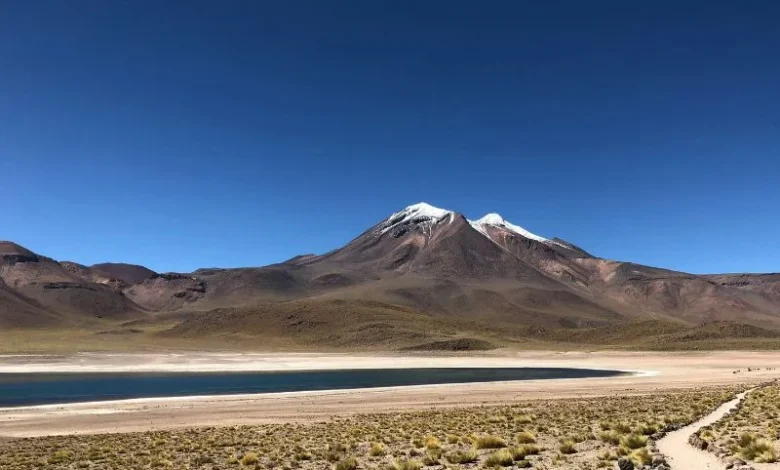
Atacama Desert bloom, Picture a desert so dry that some patches have never recorded a single drop of rain, suddenly turning into a carpet of pink, purple and gold flowers stretching to the horizon. That is exactly what happens in Chile’s Atacama Desert during a rare event known locally as “Desierto Florido.” This article looks at why this driest desert blooms, when it happens, and how ordinary travelers around the world can plan to see it.
Why the Atacama Is So Dry
The Atacama sits between the Andes mountains and the Pacific Ocean, and this position blocks moisture from both directions. Some sections average under half an inch of rain a year, making it roughly five times drier than the Sahara. Coastal plants here often survive on fog alone rather than rainfall. This extreme dryness is exactly what makes the flowering desert phenomenon so surprising when it does occur.
What Causes the Flowering Desert
The bloom is not random. It depends on a precise mix of winter rain, humidity and cool temperatures that wake up seeds buried in the sand, some of which have waited many years underground. The desert normally gets under an inch of rain a year, but wetter years boosted by El Niño can trigger trillions of dormant seeds to sprout, sending up shoots that eventually unfold into sweeping fields of yellow, pink, orange and purple. A 2019 satellite study counted thirteen such blooms between 1981 and 2015, each lasting close to six months on average.
When and Where to See It
The bloom usually appears during the austral spring, roughly mid-September to mid-November, with more than 200 flower species changing day by day as some fade and others open. Good viewing areas include:
- Llanos de Challe National Park, near Vallenar
- Desierto Florido National Park, south of Copiapó
- Caleta Chañaral de Aceituno
- Areas around Huasco and Totoral
Chile’s Growing Protection Efforts
The Chilean government first set up a flowering-desert commission in 1997, reactivated it in 2015, and later introduced local fines to stop people trampling flower fields, before establishing a national park to protect the area long-term.
A Practical Checklist for Visitors
- Book flights and local guides through Chilean tourism boards, not just resale sites
- Stick to marked paths; picking or stepping on flowers can damage them for years
- Carry cash, as small towns near the desert have limited card access
- Check recent rainfall reports before booking, since bloom timing shifts yearly
Conclusion – Atacama Desert bloom
The Atacama’s flowering desert is a brief, fragile reminder that even the world’s driest desert holds life waiting beneath the surface. Plan early, tread lightly, and you can witness one of nature’s rarest spectacles before the sand reclaims it.
Track the latest climate changes.
Is Your Seafood Becoming Riskier?
Find how El Niño affects ocean pollution.
Why Are Heatwaves Getting Worse?
Check out the link between monsoons and El Niño.
What Happens During Super El Niño?
See the major weather changes ahead.
Could Food Prices Rise Soon?
Uncover how climate affects grocery costs.
How Will Weather Patterns Change?
Get to know this summer’s biggest climate shifts.