After 20 Years, Mindoro’s Elusive Pigeon Is Seen Again Amid Growing Habitat Concerns

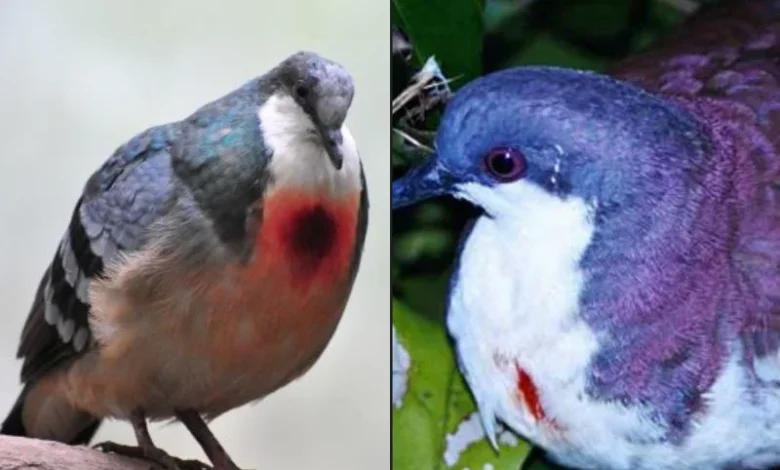
Twenty years is a long time to wait for proof that something is still alive. Mindoro bleeding heart pigeon, That is exactly what happened with this rare bird, until a camera trap deep in the forests of Puerto Galera caught it on film in August 2026. People are calling it good news, but scientists working on the ground see it a little differently.
What Happened in Mindoro
The photo came from forest patrollers belonging to the Iraya Mangyan community, who were working with the Center for Conservation Innovation Ph Inc., a local conservation group based in the Philippines. Before this, the last confirmed record of the bird was back in 2005, when one turned up caught in a hunter’s snare. Since then, the species had quietly been added to the global Lost Birds List, a list kept for animals that haven’t been seen or detected in ten years or more.
What stood out to researchers is where the bird was found. It was spotted above 900 metres, far higher than the lowland forest it normally sticks to. That alone tells a story. Many believe it points to the bird being squeezed out of its usual home by logging and human encroachment.
Why a Rare Bird Sighting Raises Concern
It’s easy to treat one good photo as a happy ending. Conservationists say that would be a mistake.
- Only one bird showed up, not a pair and not a group
- It was found well outside where the species is normally expected
- Logging, snares, and hunting haven’t stopped
- Nobody actually knows how many of these birds are left, since no real count has been done
This isn’t unique to the Philippines either. Island-dwelling species everywhere face the same problem. Small islands tend to hold animals found nowhere else on earth, which sounds special until you realise it also means there’s nowhere for them to retreat to when forests disappear.
Global Lessons From a Local Story
This story isn’t just about one island or one bird. From South America to Southeast Asia, rare species keep turning up again after long absences, and each time it’s really a small window to act rather than a reason to relax. The forest around Puerto Galera, which holds UNESCO biosphere status, is a good example of why protected land still counts for something.
What Ordinary People Can Do
- Back conservation groups that actually work with local and Indigenous communities
- Steer clear of wildlife products tied to illegal trade
- Get news from credible sources rather than viral social posts
- Push for stronger protection of the reserves that already exist
Conclusion – Mindoro bleeding heart pigeon
A bird coming back after twenty years sounds like a win, and in some ways it is. But it’s also a reminder of how thin the line has gotten for species like this one. What happens next depends less on the photo and more on whether the forest around it is still standing in another twenty years.
Explore More: Discover the Ideas and Innovations Shaping Tomorrow
Which Technologies Will Transform Industries Next?
Discover the breakthrough technologies that could reshape traditional industries and the future of work.
Why Are Wetlands So Important Globally?
Explore the world’s most important wetlands and learn why they are vital for nature and humanity.
Can Innovation Improve Renewable Energy Reliability?
Check out the latest innovations making renewable energy cleaner, smarter, and more dependable.
Which Countries Lead Green Living?
Discover the 2026 ranking of the world’s greenest countries and their sustainability achievements.
How Are Cities Fighting Climate Change?
Explore the cities investing in climate-resilient infrastructure to