Why Local Knowledge in Tree Seed Production Is the Missing Link in Forest Restoration

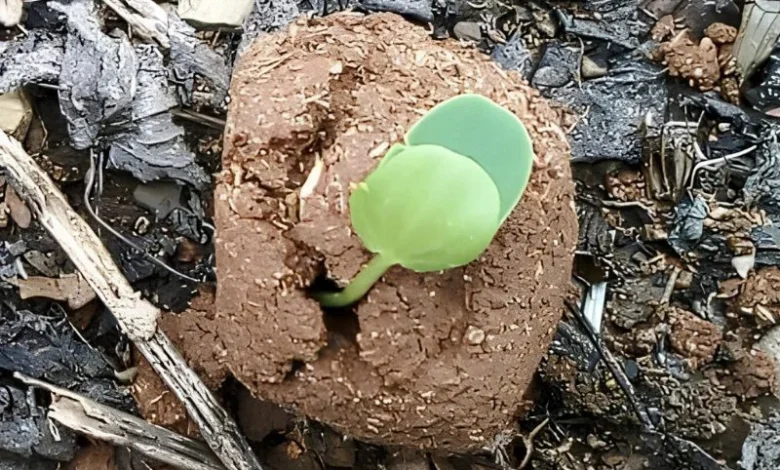
Every year, governments and organisations announce ambitious plans to plant millions, sometimes billions, of trees. local tree seed production, But a lot of these projects quietly fall apart within a few years. Not because nobody planted the trees, but because nobody asked the right questions about the seeds first. That’s the gap forest restoration keeps running into, and it’s a gap that local knowledge has been quietly capable of closing all along.
Planting Trees Isn’t the Hard Part. Choosing the Right Seeds Is.
Big reforestation campaigns love to talk in numbers: hectares covered, saplings in the ground, targets hit. What gets skipped over is the boring but critical detail of where the seed actually came from. A sapling grown from mismatched genetic stock, or from a species that never really belonged in that soil, often struggles and dies within a couple of seasons. Meanwhile, families and communities who’ve lived near these forests for generations already know which trees thrive where, when the seeds are ready to collect, and how the local rains affect whether anything sprouts at all.
What Indigenous and Local Communities Actually Bring to Seed Systems
People often reduce Indigenous and local community involvement, sometimes shortened to IPLCs in restoration circles, to just manual labour. That undersells what they offer. In practice, their contribution looks more like this:
- Knowing the precise season each native species drops its seed
- Understanding which trees keep local wildlife and soil ecosystems intact
- Spotting drought-resistant or disease-resistant strains without lab testing
- Carrying storage and germination methods handed down across generations
Projects that actually use this knowledge, instead of treating it as a courtesy consultation, tend to see healthier seedlings survive longer, and they spend less money redoing failed plantings.
Making Local Knowledge Part of the System, Not Just a Footnote
Good intentions alone don’t build a working seed supply chain. Collectors need to be paid fairly and on time. They need basic training on seed quality so their work is recognised as skilled labour, not favour work. And communities need actual legal standing over the seed banks they help build, not just a thank-you at the end of a report. Some forestry departments across Asia, Africa and Latin America have started funding community-run nurseries, but getting registered or reaching remote collectors is still a real hurdle in places with patchy internet or few local offices. Mobile-based registration tools are helping close that gap, slowly.
A short checklist for anyone running a restoration project:
- Talk to the local community before you pick a planting site, not after.
- Pay collectors fairly and pay them on time.
- Offer real training on seed quality and how to track where seeds came from.
- Measure how many seedlings survive years later, not just how many went into the ground.
- Let communities keep decision-making power over their own seed banks.
Conclusion – local tree seed production
Forest restoration tends to work when it starts at the roots, quite literally. Rooting tree seed production in local knowledge isn’t a nice gesture tacked onto a bigger plan. It’s simply a smarter way to do the work, one that leads to trees that survive and to communities who actually have a stake in the forest they helped rebuild. The projects getting this right are the ones that listen before they plant.
Track the latest climate changes.
Is Your Seafood Becoming Riskier?
Find how El Niño affects ocean pollution.
Why Are Heatwaves Getting Worse?
Check out the link between monsoons and El Niño.
What Happens During Super El Niño?
See the major weather changes ahead.
Could Food Prices Rise Soon?
Uncover how climate affects grocery costs.
How Will Weather Patterns Change?
Get to know this summer’s biggest climate shifts.