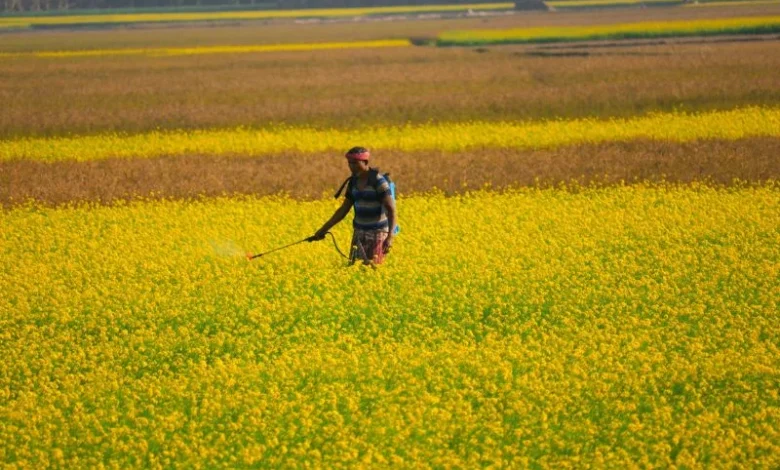
There is a quiet but serious problem growing on farms on every continent. The people who grow our food are exposed to pesticides, and Rising temperatures make that exposure much more dangerous. pesticide exposure riskier, As body temperature rises, skin pores dilate, leading to increased sweating and faster chemical absorption into the bloodstream. That means the same dose of pesticide can be more harmful on a hot day than on a cool day. This is a real threat to farmworkers in tropical and subtropical regions. It’s happening right now.
How heat makes pesticides more dangerous
Agricultural health scientists have found that heat impacts the body in several ways that magnify chemical exposure. The hotter the body, the more it sweats. Sweating opens the pores of the skin, which makes it easier for pesticides to enter. Protective clothing that guards workers from chemicals also traps body heat, adding to the stress. As temperatures increase, some pesticides break down into more toxic substances, and the faster evaporation rate means more of them are airborne and inhaled by workers.
A problem not local, but global
This is not a country problem. In the rice fields of South Asia, the flower farms of East Africa and the fruit plantations of Latin America, millions of farmworkers work outdoors during the hottest parts of the day. In many low- and middle-income areas, protective equipment is expensive or unavailable, and formal heat safety regulations are virtually absent. Migrants and informal workers, who often lack legal protections or regular incomes, are particularly vulnerable because they cannot afford to take a day off, even in extreme heat.
Getting Started: Practical Actions for Workers and Communities
• Don’t work during the hottest part of the day, usually from late morning to mid-afternoon.
• Wear light, breathable protection. Change worn gloves often.
• After handling sprayed crops, shower and change clothes immediately.
• Remove the residue before carrying children.
• Inform supervisors or local labor offices about fields that have been sprayed and are unmarked or newly dangerous.
• Check symptoms at community health clinics or mobile health units if available.
What Needs To Be Changed
Stricter enforcement of pesticide labeling, mandatory breaks to rest, and access to clean water and shade can greatly reduce harm. A few places are beginning to adopt heat safety standards, but around the world the progress is slow and spotty.
Conclusion – pesticide exposure riskier
With a warming planet, keeping farmworkers safe from pesticide harm is no longer an option. Better rules, simple safety steps and global awareness can save lives in fields everywhere.
More stories on extreme weather.
Why Is Bangladesh Facing Flood Risks?
Find the latest climate insights.
What’s Driving India’s Weather Split?
Check out the extreme weather patterns.
Is Sonamarg Travel Safe Today?
Get to know the latest advisory.
How Severe Are China’s Floods?
Browse the latest emergency updates.
Why Is Northeast India Flooding?
Uncover the unusual jet stream effects.