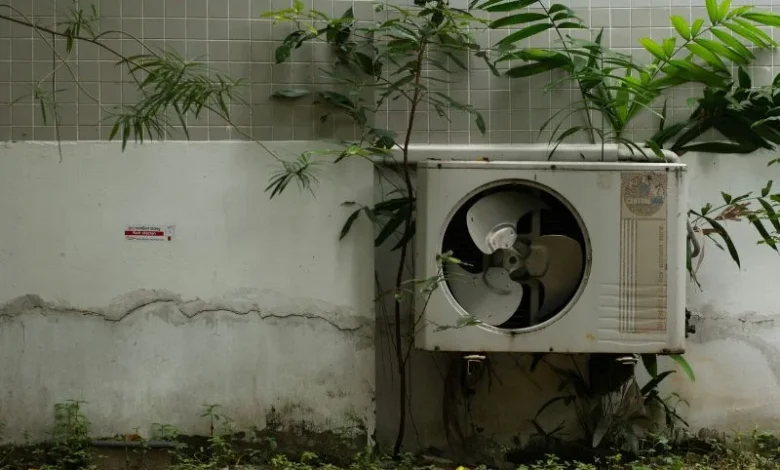
Cooling technology is an effective way to keep people comfortable but it worsens the climate crisis. Air conditioners climate, According to the International Energy Agency, energy demand due to air conditioning could increase threefold by the year 2050. Currently, air conditioners and fans consume 10 percent of global energy.
The Boom in Air Conditioning
The number of air conditioning units globally may increase from 1.6 million to 5.6 million, which is equal to selling 10 units every second, every day for 30 years. However, only 8 percent of the population living in the hottest regions of the globe has air conditioning.
The Situation in India
The air conditioning consumes 10 percent of India’s total electricity which may increase to 45 percent in the absence of appropriate measures. The study shows that the number of households having air conditioning in India may go up from 10 to 40 percent.
Possible solutions – Air conditioners climate
- Use of technology which has temperature control reducing energy consumption by two times, with only $ 2.9 trillion investment.
- Switching to clean energy sources free from emissions may have a positive impact on the state of the world climate.
- Following the instructions issued by the International Energy Agency which recommend setting air conditioning temperatures at least at 24 degrees Celsius.
- Leaking gases used for air conditioning cause to warm the planet thousands of times more than CO2.
Related Reads on Environment:
Is Extreme Heat a Health Crisis?
See why heat is now a health crisis.
Can heat pumps cool homes too?
Learn how heat pumps heat and cool efficiently.
Why are top floors hotter?
Learn why apartments can be 8°C hotter and how to fix it.
Which Hyderabad areas face the worst heat?
Check the neighborhoods most vulnerable during extreme heatwaves.
Which Indian cities face extreme heat?
Discover the regions across India at highest risk from rising temperatures.