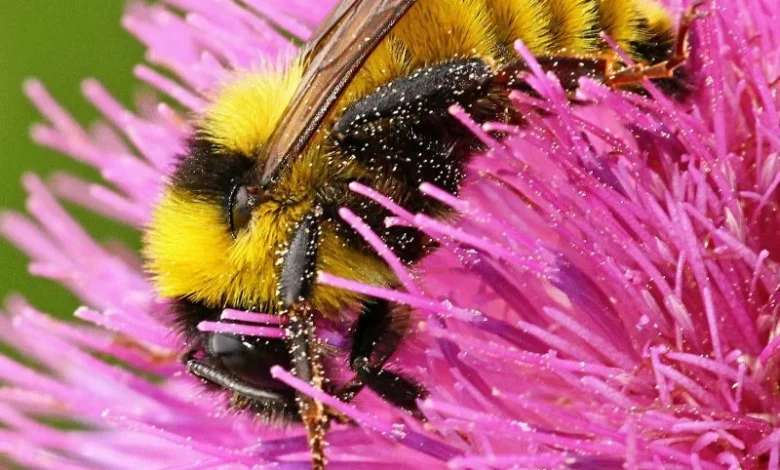
Approximately seventy-five percent of crops require pollinators, pollinator decline, while only one-third of food production is pollinator-dependent. Nevertheless, crops like coffee, apples, cacao, and mangoes cannot survive without pollinators.
How Many Pollinators Are Endangered?
According to a United Nations-supported study, about forty percent of invertebrate pollinator types (like bees and butterflies) are on the verge of extinction. At the same time, around sixteen percent of vertebrate pollinators (such as bats and birds) are also endangered.
What Are the Causes of the Decline?
1- Habitat loss: The loss of habitats and intensive farming contribute to the lack of food and nesting resources.
2- Chemicals: Many of them harm the possibilities of pollination and diseases.
3- Climate: Increased warming is another important aspect.
4- Diseases: Infections and viruses are also dangerous for bees’ colonies.
5- India: Every year, bees pollinate 50 millions of hectares of crops, so their significantly reduced population will lead to lower productivity and lower numbers of farms. The area of pollinator plantings in India has decreased after 1999.
What Are The Effects of It? – pollinator decline
A decline in pollinator species will lead to instability in crop yields and lower food security. The value of global crops influenced by pollinators is evaluated to be about $235 billion to $577 billion a year.
You May Like It:
Is Food Security at Risk?
See how climate change threatens the food supply.
Why Do Insects Matter?
Learn their role in ecosystems.
Is healthy soil running out?
See why soil degradation threatens food supplies.
Which species are bouncing back?
Meet the endangered species making a comeback.
Will Countries Hit Food Goals?
Find out why most may miss 2030 targets.