
For years, Kaziranga National Park in Assam, India, has been famous for tigers, elephants and one-horned rhinos. Now a quieter, lesser-known resident of the park is finally getting attention. Greater hog badgers in kaziranga, Scientists have confirmed a hidden population of greater hog badgers spotted on camera traps, and the discovery is being called a rare conservation success story in a world where wildlife news is usually grim.
What the Camera Traps Found
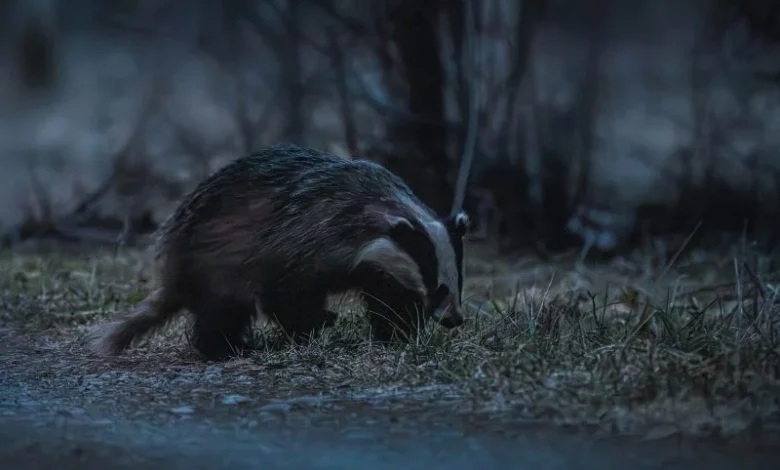
The greater hog badger, known locally as “Mati Gahori,” is a nocturnal, burrowing mammal that rarely shows itself to humans. Researchers from Kaziranga’s Tiger Cell, working with the Wildlife Conservation Trust, did not set out to study badgers at all. They were reviewing old camera trap footage collected during routine tiger monitoring. Buried inside thousands of tiger images, they found repeated sightings of hog badgers, enough to estimate at least 60 individuals spread across nearly 1,100 square kilometres of the reserve.
Why This Discovery Matters Globally
The greater hog badger is listed as Vulnerable worldwide, with steep population declines across parts of Southeast Asia due to hunting, snaring and shrinking forests. In India, it carries the highest level of legal protection under the Wildlife Protection Act. A confirmed, thriving population in one protected area is meaningful news for conservationists everywhere, not just in India, because it shows that:
- Existing tiger monitoring programmes can double as surveys for other, less visible species.
- Protected forest habitat still works, even for animals that are rarely seen or studied.
- Healthy populations of smaller mammals are a sign of a genuinely balanced ecosystem, not just an added statistic.
Why the Species Usually Goes Unnoticed
Unlike tigers or rhinos, hog badgers do not draw tourists, funding or headlines. They are shy, active mainly at night, and spend much of their time digging for roots, insects and small animals. This makes them easy to overlook, even by people working inside the same protected areas. That is exactly why this camera trap discovery matters so much: it proves that “invisible” species can still be found, counted and protected if researchers know where to look.
What Comes Next – Greater hog badgers in kaziranga
Conservationists say this is only a starting point. Wider camera trap surveys across other reserves in India, Bangladesh, Myanmar and Southeast Asia could reveal similarly hidden populations, or confirm where the species has already disappeared.
In the end, this quiet discovery is a reminder that conservation success is not only measured in tigers and rhinos. Sometimes it is a shy, burrowing badger caught on camera, proving that a forest is healthier than anyone realised.
More Wildlife Adventures Await!
Why Visit Kaziranga National Park Today?
Discover why this iconic park is a paradise for wildlife lovers.
How Are Greece’s Wildfires Changing Nature?
Find out how wildfires are reshaping Mediterranean ecosystems.
What Makes Kerala’s Backwaters So Wild?
Dive into the rich birds, mangroves, and aquatic life thriving here.
Which Mongolia Parks Protect Rare Species?
Uncover hidden national parks preserving unique desert wildlife.
Which Kenya Safari Should You Experience?
Browse the top wildlife safaris for unforgettable nature encounters.