Why 2026 Is Called the ‘Year of Water’ and What It Means for the Global Crisis
Water shortages worsen as the Global Water Crisis threatens food, health and economies worldwide.

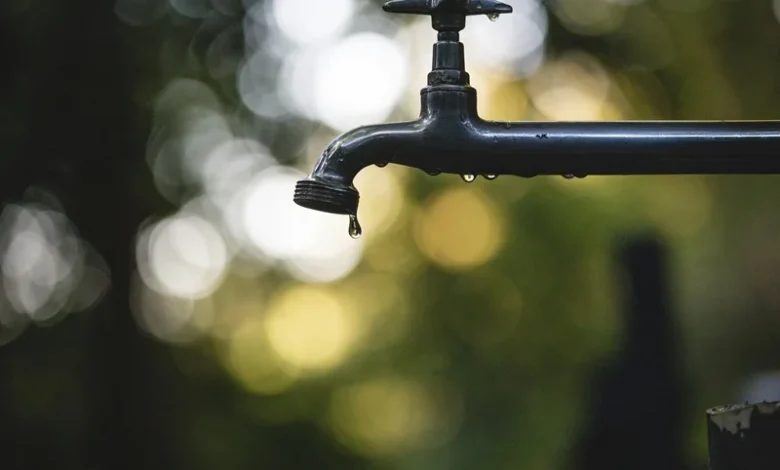
Water shortages are no longer just a problem for poorer countries. They are becoming a global crisis of collective concern – which is why 2026 has been dubbed the ‘Year of Water’. From empty reservoirs in Asia to shrinking rivers in South America, the signs all add up to the same warning. The planet’s Water Crisis is out of balance.
What is the “Year of Water,” Anyway?
Launched at Blue Davos in January 2026, the World Economic Forum’s ‘Year of Water’ campaign aims to keep water high on the global agenda throughout the year, connecting disparate water issues and driving solutions to what the UN calls an “era of global water bankruptcy.” In essence, humans are consuming water at a rate that exceeds nature’s ability to replenish it, akin to depleting one’s savings rather than subsisting on interest.
It is the year before the third UN Water Conference in almost fifty years, from 2-4 December in the United Arab Emirates, where leaders are expected to finally match political commitment to the scale of the crisis.
Why the world’s water crisis has reached a breaking point
The United Nations declared the world to be in a state of “global water bankruptcy” in January 2026, where rivers, lakes and underground sources of water have been drained past the point of no return. About half the world’s population—close to four billion people—face acute water shortages for at least one month a year.
A UN report released in March 2026 said none of the global water and sanitation targets set for 2030 will be met, with serious consequences for health, the economy and gender equality. Farmers, low income families and coastal communities are often the first to feel the impacts.
How Average Families Can Respond
•Local water advisories Check with municipal or national authorities.
•Fix leaky taps and pipes, because small leaks add up over a year.
• Store water safely during scheduled water supply hours where piped water supply is irregular.
•Support community rainwater harvesting where infrastructure is lacking.
•Reduce food waste that is water-intensive.
•Up to 90 % of available water is used in agriculture in lower income countries .
Why It’s Important for Everyone
World demand for water will increase by 55 percent by 2050, and by 2030 demand for water will outstrip supply by 40 percent. It impacts food prices, jobs and health systems everywhere, rich or poor.
Conclusion
Whether or not policies change meaningfully by the December conference, action by the community today can cushion the blow tomorrow. Small daily choices, multiplied across millions of households, can still make an actual difference.
One-line takeaway: Water is depleting faster than it is replenished, so water conservation starts at home, today.
More water crisis stories to explore.
Why Is Fresh Water Vanishing?
Find the key reasons behind growing global water shortages.
How Do Heatwaves Raise Demand?
See how extreme heat is driving higher water use.
Why Are Cities Running Dry?
Uncover how cities are responding to worsening shortages.
Which Cities Need More Water?
Browse the places facing the biggest surge in demand.
How Is Chennai’s Groundwater Changing?
Check out the latest area-wise groundwater analysis.