A Fleet Idled by Conflict Is Now Spinning an “Ecological Roulette” Across the World’s Ports
An idled fleet caught in conflict is creating an ecological roulette across global ports, raising pollution, invasive species, and maritime safety concerns now.

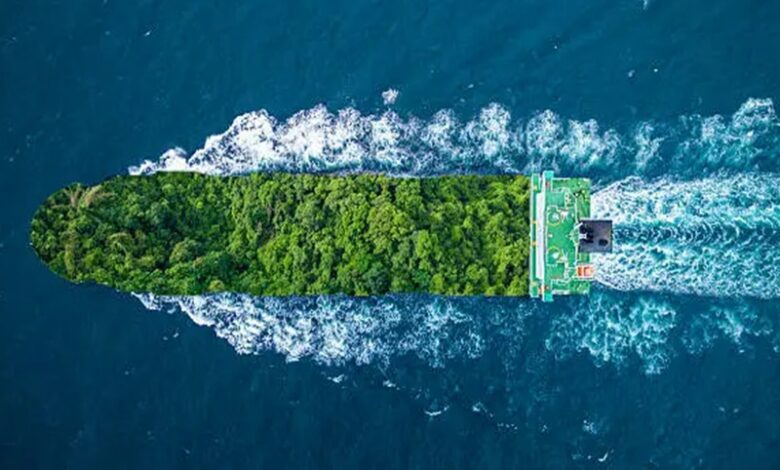
Wars leave slow-moving disasters too. One floats quietly off coasts in Europe, Asia and the Middle East. A shadow fleet of hundreds of ageing tankers, many decades old and barely insured, sits idle near ports because of conflict and sanctions. Each week they stay anchored, the risk of a major oil spill grows, and coastal communities from the Baltic to Southeast Asia would pay the price.
What Is the Shadow Fleet, and Why Is It Idle?
After sanctions followed Russia’s 2022 invasion of Ukraine, Moscow needed ships to keep selling oil outside Western insurance systems. The result was a fleet of second-hand tankers, often 20 years or older, bought through shell companies and flagged in places like Cameroon or Belize. Iran and Venezuela use similar tactics. Estimates put the fleet at 600 to 1,500 vessels.
In 2026, Ukrainian drone strikes on Russian terminals damaged loading infrastructure, leaving tankers with nowhere to dock. Ships now anchor for weeks near the Baltic, Black Sea and Strait of Hormuz, unable to reroute without risking detention under sanctions law.
Why Idling Tankers Is an “Ecological Roulette”
Idle tankers still carry fuel oil for engines, even with empty cargo tanks. Many lack proper spill insurance, so if something goes wrong, no clear party pays for cleanup. Executives compare the risk to the 1979 Atlantic Empress collision, still one of history’s worst spills. Key risks:
- Structural fatigue in hulls past normal scrapping age.
- Undertrained crews with little incentive to maintain equipment.
- Risky ship-to-ship oil transfers at sea.
- Storm damage, already reported in the Kerch Strait and Baltic.
Who Is Actually at Risk
This isn’t distant. These tankers anchor near the world’s busiest waterways, including the Strait of Hormuz, through which nearly 40 percent of seaborne crude moves weekly. A major spill there could hurt fishing, tourism and drinking water for millions with no stake in the conflict.
What Can Be Done
- Tighter port inspections for high-risk flagged vessels.
- Mandatory spill insurance before ships anchor in territorial waters.
- Faster IMO scrutiny of ship-to-ship transfers.
- Regional cooperation among coastal states.
- Public tracking of risky vessels via tools like VesselFinder.
Explore more future-ready stories.
How Will Korea Cut Carbon?
Check out the coal phase-out strategy.
Which Countries Beat Urban Heat?
Find the leading cooling initiatives.
Which Cities Are Climate Ready?
Browse the smartest infrastructure projects.
Where Can Vegans Eat Best?
Discover top plant-based food destinations.
Which Cities Redefine Public Spaces?
See the world’s most innovative urban designs.
Conclusion
The shadow fleet’s risks won’t vanish while conflict and sanctions continue, but coastal nations aren’t powerless. Stronger inspections and cooperation can lower the odds of disaster now, not later.
Bottom line: a rusting fleet with nowhere to go is one storm away from disaster, and the time to act is before the spill.