Tropical Sea Turtles Nesting in California for the First Time Ever Signals a Changing Pacific

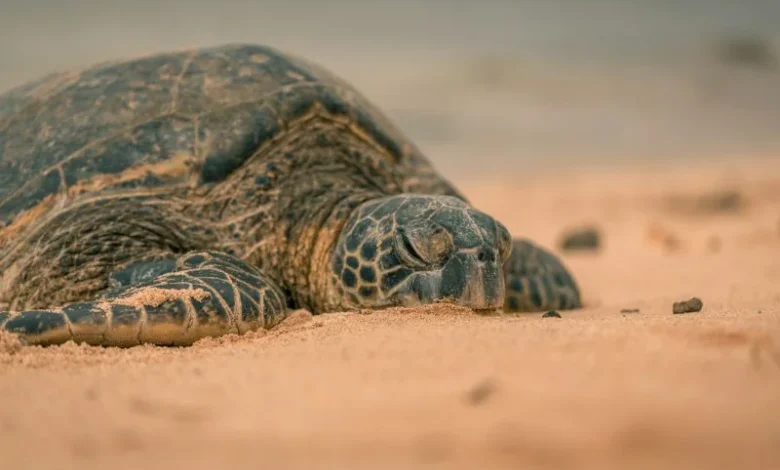
Something unusual happened on a quiet Southern California beach this September. Tropical sea turtles nesting in California is something that has never been recorded before this event. For people who follow ocean news, this is not a minor detail. It shows how changing water temperatures can push animals thousands of miles away from the places they normally call home.
What Actually Happened on the California Coast
In mid-September, lifeguards near Seal Beach in Orange County spotted a turtle digging late at night. At first, they thought it might be unwell. Instead, it was laying eggs in the sand. A few days later, a second nest turned up near the Huntington Beach Pier. Officials confirmed that both nests belonged to the olive ridley turtle, a species that usually nests only in warm tropical waters stretching from Mexico down to Panama. According to NOAA Fisheries, this is the first time any sea turtle species has been documented nesting naturally anywhere on the entire West Coast of the United States.
Why Warm Water Is Bringing Tropical Turtles North
Scientists point to one main cause, ocean heat. A strong El Niño has pushed Pacific waters along Baja California and Southern California several degrees warmer than normal. Turtles rely on warm sand and warm sea temperatures to nest safely, so this shift may have made a California beach feel close enough to home. Researchers also note that olive ridley numbers have fallen sharply over the past century, which makes every new nesting attempt worth watching closely.
Other Sea Life Following the Same Warm Current
The turtles did not travel alone. The same warm current has pulled in other animals rarely seen in the region, including hammerhead sharks and whale sharks spotted off the Southern California coast in recent weeks. This pattern suggests the warm water is part of a wider shift in ocean behaviour, not a one-off event tied to a single turtle.
What Local Authorities Are Doing
- Both nesting sites have been fenced off to protect the eggs
- State and federal wildlife teams are checking on the nests regularly
- Incubation usually takes between 45 and 60 days before any hatchlings appear
- Beachgoers are asked to stay back and avoid the marked zones
Local agencies have also said there is a real chance that more turtles could choose Southern California beaches again this season or in future years if ocean temperatures stay elevated.
Conclusion – tropical sea turtles nesting in California
This story is bigger than two turtles on one beach. It shows how closely ocean temperature and wildlife behaviour are connected, no matter where in the world you live. For readers everywhere, the lesson is simple: pay attention to coastal wildlife news, respect protected nesting zones when travelling, and support local conservation efforts. Nature chose a California beach to send a message this time, and it is worth listening.
More stories on extreme weather.
Why Is Bangladesh Facing Flood Risks?
Find the latest climate insights.
What’s Driving India’s Weather Split?
Check out the extreme weather patterns.
Is Sonamarg Travel Safe Today?
Get to know the latest advisory.
How Severe Are China’s Floods?
Browse the latest emergency updates.
Why Is Northeast India Flooding?
Uncover the unusual jet stream effects.