Looe Island: The Cornish Wildlife Sanctuary Two Sisters Built From an Island Dream

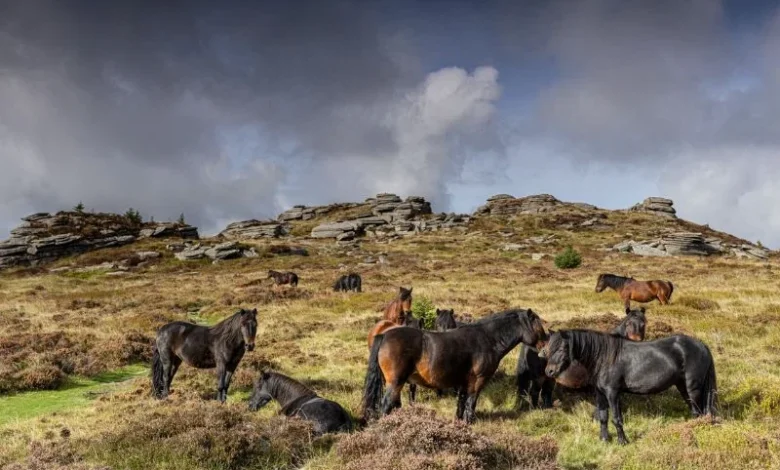
Off the coast of Looe in Cornwall, a small island holds a story that feels almost too gentle for the modern world. Cornish wildlife sanctuary, In 1965, two sisters bought this patch of land and quietly turned it into one of Britain’s most cherished nature reserves. Smugglers and pilgrims once lived on their island, which is now home to seals, gulls and butterflies, and their legacy is still changing the way the world thinks about conservation.
How Two Sisters Bought an Island and Changed Its Future
Babs and Evelyn Atkins, sisters from an ordinary background, made an extraordinary choice when they purchased Looe Island, also called St George’s Island, for around twenty thousand pounds. Life there was far from comfortable. There was no mains electricity, no running water most of the time, and stormy seas often cut them off from the mainland for weeks. Despite this, the sisters stayed for nearly four decades, writing two books about their experiences, We Bought an Island and Tales from Our Cornish Island.
A Refusal That Protected the Island
Perhaps the most telling part of their story came late in life. After Evelyn passed away, Babs was reportedly offered a large sum of money to turn the island into a theme park. She turned it down. Instead, when she died in 2004, she left the entire island to the Cornwall Wildlife Trust, ensuring it would remain wild rather than commercial.
What Looe Island Looks Like Today
Covering just 22 acres, the island now supports a surprising range of habitats, from grassland and woodland to rocky shoreline and sandy beach. Visitors arriving by boat from Looe’s harbour can expect to see:
- Grey seals, Britain’s largest land mammal, with more than a hundred individually recorded on the island
- The largest breeding colony of great black-backed gulls in Cornwall
- Around 20 species of butterfly during the warmer months
- Seabirds such as cormorants, shags, fulmars and oystercatchers
Why This Matters for a Global Audience
The story of Looe Island resonates far beyond Cornwall. It shows how individual choices, made decades ago, can outlast their owners and benefit an entire ecosystem. In an age when coastal land is often sold for development, this small island stands as a quiet counterexample, protected not by government regulation alone but by personal conviction.
Visiting the Island
Tours run through spring and summer, guided by wardens who explain both the wildlife and the sisters’ history. Boats leave from Looe harbour, and the trip typically lasts a few hours, including time to explore independently.
Conclusion – Cornish wildlife sanctuary
Looe Island proves that a small piece of land, cared for with patience and stubborn love, can become a lasting home for wildlife long after the people who saved it are gone. If you care about conservation, or somewhere different to visit, this Cornish island reminds us that saving nature can start with one simple decision – not to sell.
Explore more climate and travel stories.
Why Are Islands Disappearing Today?
Discover the lives shaped by rising seas.
Why Are Warm Nights Riskier?
Find the hidden dangers of urban heat.
Which Mumbai Areas Feel Hottest?
Check out the biggest temperature differences.
Which Vietnam Islands Should You Visit?
Browse breathtaking escapes for your next trip.
Why Do Cities Feel Hotter?
Uncover how green spaces cool urban life.