
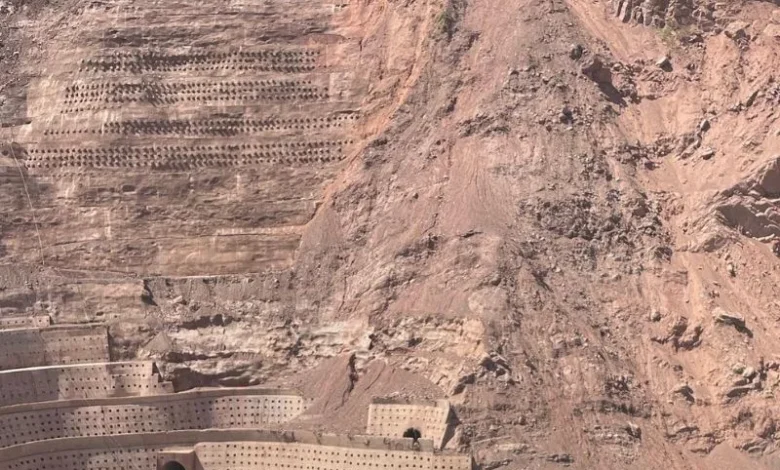
In Central Asia’s mountains, a huge construction project is changing the energy future of Tajikistan. The Rogun Dam has been under construction for years and, when finished, it will be the highest dam in the world. Tajikistan Rogun Dam, With new funding from the World Bank, the project has gained momentum again and is today one of the most closely watched infrastructure stories in global energy circles.
What is the Rogun Dam and why is it important
Construction of the Rogun Dam in the Vakhsh River Valley started in 2016. The Tajikistani government has already poured more than $3 billion into the project. At its planned full height of 335 meters, it will surpass all the other dams on Earth for height. “For a country like ours with little natural resources, this project is a solution for energy and a symbol of national achievement.”
World Bank Funding’s Role
In June, the World Bank’s Board of Executive Directors approved a US$300 million grant to Rogun. This is the second major approval, following an earlier grant of $350 million in December 2024. That constant backing shows growing confidence that the project will be viable in the long term.
Other financial backers have come on board:
Abu Dhabi Fund for Development signs a $100 million loan agreement in February.
•In July Italy’s state investment arm Cassa Depositi e Prestiti pledged $150 million.
•The European Investment Bank is thinking about putting in $500 million.
•Another $500 million may be lent or granted by the Asian Development Bank.
Taken together, these commitments indicate that Rogun has become a priority project for some of the world’s biggest lenders in spite of its rising overall cost.
Environmental and Social Issues Persist
The financial momentum is undeniable, but the project is not beyond criticism. An environmental group that tracks big hydropower projects, Rivers without Boundaries, is worried that recent funding has come with fewer requirements on environmental and social safeguards. This has alarmed observers, who worry that speed may trump careful oversight.
•Some common issues related to large dam projects are:
•Families moving in construction zones.
•Long-term changes in river ecosystems downstream.
•Questions remain as to whether local communities are benefiting as much as national leaders claim.
A Larger Trend in Global Hydropower
The Rogun Dam is not an isolated instance. The world’s biggest international lenders are once again funding big hydropower projects after a decade of hesitation. Supporters say the method supports large-scale, clean and reliable energy. Critics say solar and wind power now provide quicker, cheaper options with less risk and uncertainty in the long haul.
Conclusion – Tajikistan Rogun Dam
The World Bank has renewed its funding for Tajikistan’s Rogun Dam, demonstrating the disconnect between big infrastructure ambitions and the actual price tags attached to them. As the project edges closer to becoming the tallest dam in the world, its success will be judged not just by its height, but by how well it juggles the demands of energy against the impact on the environment and people.
More ocean stories to explore.
How Are Coral Reefs Being Saved?
Discover how innovative conservation efforts are protecting reefs.
Why Does Coral Bleaching Spread?
Find what causes bleaching and supports reef recovery.
Why Are Global Reefs Collapsing?
Uncover how climate change is damaging coral ecosystems.
How Severe Is Coral Bleaching?
See why bleaching now affects most coral ecosystems.
Why Are Reefs Facing Extreme Heat?
Look into the growing impact of ocean warming on reefs.