Kids vs Governments: Inside the Global Wave of Youth Climate Lawsuits in 2026
Youth Climate Lawsuits reveal how young activists challenge governments through courts, shaping climate rights and legal action across nations in 2026.!!!.

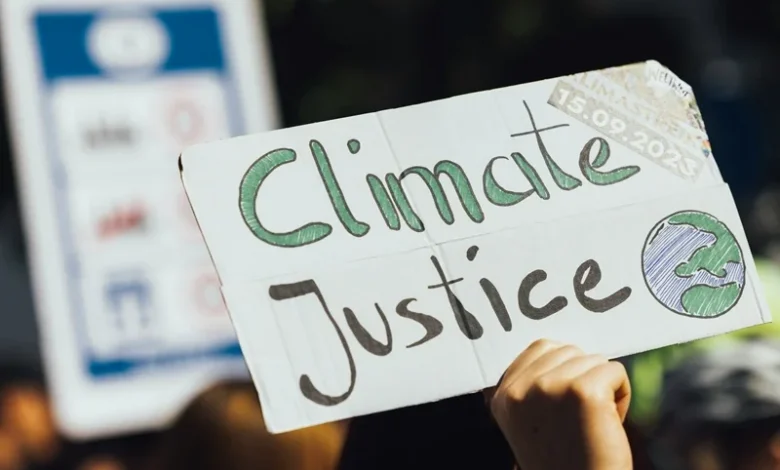
A 16-year-old in Montana. Students in a group, Portugal. Sixteen young Canadians are facing trial this October. Across countries, a new kind of activism is happening, not in the streets but in courtrooms, where youth-led lawsuits against governments are forcing judges to take a stand on climate change. The young plaintiffs argue that weak policy and slow action violate their basic rights and that their cases in 2026 are yielding very different results.
Why Lack of Climate Action Is Turning Into a Legal Fight
For nearly a decade young people have been making the case that the government is responsible for their future, not just their present. Instead of waiting for slow policy reform, they are seeking judicial rulings that ongoing climate inaction breaches constitutional or human rights. The strategy is based on the idea that if governments do not act quickly enough through legislation, the judiciary may be able to force their hand.
The Big Wins So Far
The biggest win so far is still Held v. Montana, where the state’s highest court upheld a district court decision that young plaintiffs have a fundamental constitutional right to a clean and healthful environment, while striking down two state laws that prevented climate considerations from environmental reviews. It was the first of its kind in the United States, a constitutional climate trial, and a reference point for similar cases elsewhere.
Where the Setbacks Took Place
The young plaintiffs haven’t won every case. The long-running Juliana v. United States case, filed by 21 young Americans against the federal government, officially ended after the U.S. Supreme Court declined to review it, although lawyers say the fight is far from over. In Europe, the Duarte Agostinho case brought by six young Portuguese nationals against 32 countries was ruled inadmissible by the European Court of Human Rights, largely on procedural grounds around which states can be sued from where.
What’s up next?
A case to watch for this year is La Rose v. His Majesty the King, a major trial scheduled for October 26, 2026, in Vancouver, where 16 youth plaintiffs are suing the Canadian government, arguing that its climate policies violate their Charter rights.
How to Follow This Movement: A Quick List
•Follow developments in the case on legal databases, such as the Climate Litigation Database.
•Follow groups like Our Children’s Trust for filings and decisions.
•Keep an eye out for standing decisions because courts often throw out cases on procedure, not substance.
•Support local youth climate groups, as national cases often begin with community organizing.
•Read court decisions yourself, not just the headlines, whenever possible, as the outcomes are frequently nuanced.
Conclusion
Youth climate lawsuits alone won’t save us from the climate crisis, but they are shifting the conversation from politics to legal rights and slowly building a body of precedent that future cases can draw on. Every case, whether won or lost, stokes the pressure and the clarity on how far the responsibilities of governments to tackle climate change really go. The message from young plaintiffs across the globe is clear: if leaders refuse to act, the courts may have to.
More Climate Stories Worth Reading
Can Extreme Heat Harm Hearts?
Check out the latest health findings.
Why Protect Biodiversity Hotspots Today?
Find nature’s strongest climate allies.
What Climate Effects Go Unnoticed?
Uncover hidden impacts on daily life.
Where Learn Climate Change Better?
Browse trusted guides and resources.
How Serious Is Bangladesh’s Flood Risk?
Look into rising climate threats.