Karnali River Flood Disaster in Nepal: A Warning Sign for the World’s Last Wild Rivers

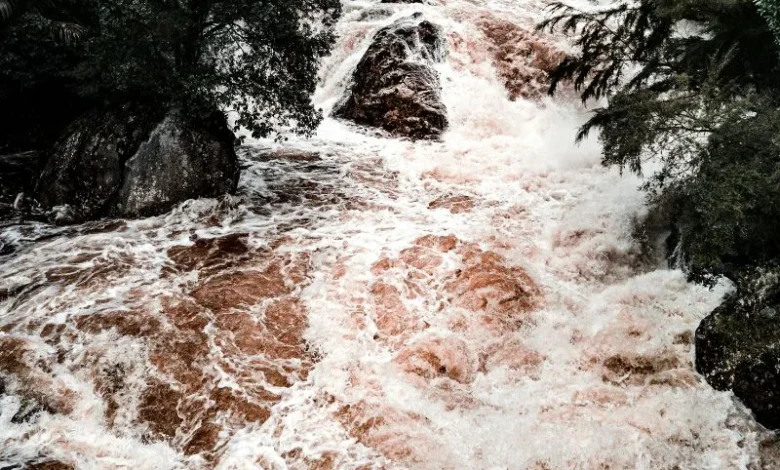
A sudden glacial collapse in the Himalayas recently sent floodwater and debris crashing through Nepal, killing over a thousand people and leaving thousands missing. Karnali River flood disaster, The tragedy struck rivers already packed with hydropower tunnels, turning infrastructure into death traps. It has renewed a global debate about whether the Karnali River, Nepal’s last major undammed waterway, should be protected rather than developed.
Why the Karnali River Flood Disaster Matters Beyond Nepal
This is not only a local tragedy. It’s a case study for any country weighing energy needs against climate risk. Mountain regions from the Andes to the Alps face similar threats as glaciers melt faster each year. Nepal’s experience shows what happens when infrastructure is placed directly inside unstable river valleys without accounting for changing climate patterns.
What Went Wrong in Nepal’s River Valleys
Scientists tracking the Hindu Kush Himalaya region had warned for years that glaciers were thinning and glacial lakes were swelling dangerously. Despite these warnings, dozens of hydropower plants were built along narrow river corridors. When the flood hit, it damaged operating plants and construction sites alike, cutting a significant share of the country’s electricity output almost overnight.
The Case for Leaving the Karnali Undammed
The Karnali remains free-flowing, supporting Indigenous communities, endangered species including migratory fish and crocodiles, and a growing rafting-based tourism economy. Two long-pending dam proposals could change that permanently. Given the flood disaster, many conservationists argue this is exactly the wrong moment to add more concrete and tunnels to a fragile mountain river system.
Quick Facts Worth Knowing
- Nepal generates most of its electricity from hydropower
- The recent flood damaged over a dozen power plants
- Nepal has roughly 300 sunny days a year, suited to solar energy
- The Karnali supports species found nowhere else in the country
- A legal case challenging the Karnali dam is pending in Nepal’s courts
Practical Steps for Readers Who Want to Follow This Story
- Track updates from Himalayan climate research groups studying glacial risk
- Support organizations working on river conservation in South Asia
- Read local reporting before sharing disaster news, since numbers change quickly
- Consider how energy choices in one country affect shared river systems downstream
Conclusion – Karnali River flood disaster
Nepal’s disaster is a hard lesson in climate reality. Rebuilding damaged hydropower sites may be necessary, but protecting what remains wild, especially the Karnali, could prevent the next tragedy rather than invite it.
More stories on extreme weather.
Why Is Bangladesh Facing Flood Risks?
Find the latest climate insights.
What’s Driving India’s Weather Split?
Check out the extreme weather patterns.
Is Sonamarg Travel Safe Today?
Get to know the latest advisory.
How Severe Are China’s Floods?
Browse the latest emergency updates.
Why Is Northeast India Flooding?
Uncover the unusual jet stream effects.