
Every year, millions of people living along rivers in South Asia, Africa, and Latin America depend on that water for bathing, washing clothes, and irrigating crops. monsoon antibiotic resistance, New research now shows that heavy rain does something unexpected to polluted rivers. Instead of washing pollution away, monsoon rainfall pushes sewage, waste, and drug-resistant bacteria deeper into the water people use every single day.
What Is Happening in Polluted Rivers During Monsoon
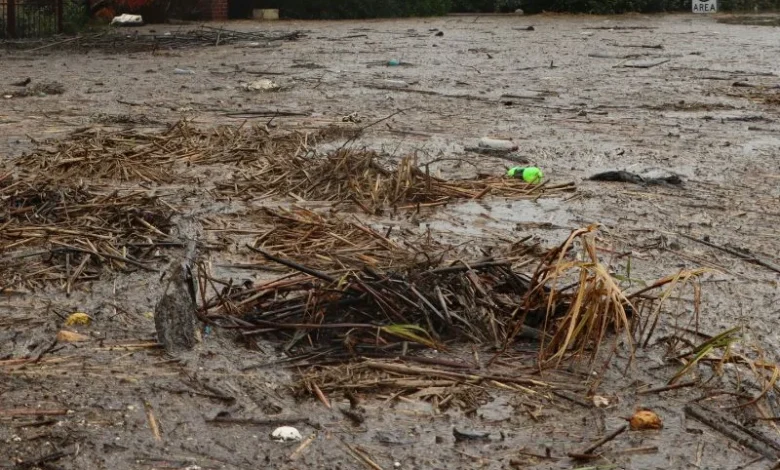
Researchers studying two heavily polluted rivers in northern India found something surprising. During the monsoon season, levels of antibiotic resistance genes, tiny bits of genetic material that let bacteria survive antibiotics, jumped sharply compared to dry months. Instead of diluting pollution, the rains flushed in more raw sewage, overflowing septic tanks, and street waste, all carried straight into the river.
This matters everywhere, not just in one country. Cities across Asia, Africa, and Latin America often lack full sewage treatment. A government report highlighted a large sewage treatment gap between what India’s towns produce and what gets properly treated. Similar gaps exist in many fast-growing cities worldwide.
Why River Water Contamination Puts Communities at Risk
People living near these rivers often have no choice but to use the water. They bathe, wash utensils, and irrigate vegetable fields with it. Children play and swim in the same water. When floodwater carries resistant bacteria into homes and fields, ordinary infections become harder to treat with normal medicine.
Health risks linked to this exposure include:
- Higher chance of catching infections that resist common antibiotics
- Increased illness during and after floods, when water use is highest
- Long-term strain on local health systems already stretched thin
- Contamination spreading through irrigated food crops
Reports have also flagged untreated sewage discharge from treatment plants that were meant to prevent exactly this kind of contamination, showing the gap between policy and ground reality.
What Can Be Done About Antibiotic Resistance in Rivers
Experts say rivers should be treated as important city infrastructure, rather than as drains. “In practice, this means increasing sewage treatment capacity; ensuring septic tank waste is managed correctly; restoring natural drainage rather than building over floodplains; and increasing community awareness of boiling or filtering water after heavy rain.”
Conclusion – monsoon antibiotic resistance
This is not just an environmental story. It is a public health warning that connects poor sanitation, changing rainfall patterns, and everyday river use into one growing risk. Governments, city planners, and local communities need to act before the next monsoon season, because a river treated as a drain today can become a source of untreatable illness tomorrow.
More stories on extreme weather.
Why Is Bangladesh Facing Flood Risks?
Find the latest climate insights.
What’s Driving India’s Weather Split?
Check out the extreme weather patterns.
Is Sonamarg Travel Safe Today?
Get to know the latest advisory.
How Severe Are China’s Floods?
Browse the latest emergency updates.
Why Is Northeast India Flooding?
Uncover the unusual jet stream effects.