Oyster Reef Restoration Boosts Marine Biomass 45 Times in Prince Edward Island Eelgrass Beds

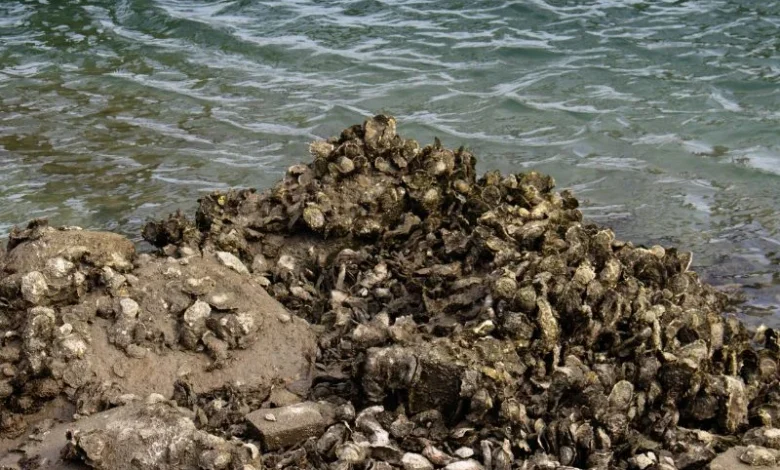
Coastlines everywhere are losing ground, quite literally. Pollution, warmer water and years of human pressure have hollowed out seagrass meadows on nearly every continent. oyster reef restoration, So when a team on Canada’s Prince Edward Island tried something almost stubbornly simple, stacking concrete-block oyster reefs into dead patches of eelgrass, it wasn’t exactly a moonshot idea. And yet the payoff, two years later, surprised even the researchers.
What Actually Happened Out There
Back in 2021, the bare patches in question weren’t bare by accident. Nutrient runoff from nearby farmland had smothered the grass, and disease had finished the job in places. Instead of trying to force new grass to take root in the same bad conditions, the team dropped in reefs built from ordinary concrete blocks. Nothing fancy. Just a hard surface for marine life to grab onto.
The Numbers That Turned Heads
By 2023, here’s what the reefs had going for them:
- Biomass sitting on the reefs was around 45 times higher than on nearby untouched, bare seabed.
- 45 separate species had moved in, oysters, worms, crustaceans, small fish, you name it.
- Older reefs were pulling in noticeably more fish activity and variety.
- Water around the reefs was measurably cleaner than water over bare sediment.
Oysters did a lot of the heavy lifting here. They filter water as they feed, and once they got established, they basically rolled out the welcome mat for everything else.
Why This Isn’t Just a Canada Story
Seagrass decline is a global headache. Farm runoff, coastal construction and warming seas are chipping away at meadows from Southeast Asia to the Mediterranean to Australia’s coastline. Straight replanting often fails because the underlying problem, usually poor water quality, never actually goes away. Oyster reefs sidestep that. Instead of fighting the environment, they bring in a species tough enough to handle it, and let it do the rebuilding.
A Model Worth Copying
The project was co-developed with the Lennox Island First Nation, blending local stewardship with the science. For coastal towns or fishing communities elsewhere, that partnership matters as much as the concrete blocks do. The materials are cheap, the upkeep is minimal, and the results speak for themselves.
Conclusion – oyster reef restoration
Sometimes fixing nature doesn’t need a complicated plan, just the right building blocks in the right place. A handful of concrete reefs turned dead seabed into a thriving patch of ocean life within two years. That’s proof enough that small, well-placed actions can outpace expectations.
More stories on extreme weather.
Why Is Bangladesh Facing Flood Risks?
Find the latest climate insights.
What’s Driving India’s Weather Split?
Check out the extreme weather patterns.
Is Sonamarg Travel Safe Today?
Get to know the latest advisory.
How Severe Are China’s Floods?
Browse the latest emergency updates.
Why Is Northeast India Flooding?
Uncover the unusual jet stream effects.