Why 2026’s Dust Storms are Turning Deadly: The Science Behind the UP Thundersquall and How to Protect
Learn why 2026 dust storms and UP thundersqualls are becoming deadly, their causes, risks, and essential safety tips to stay protected.

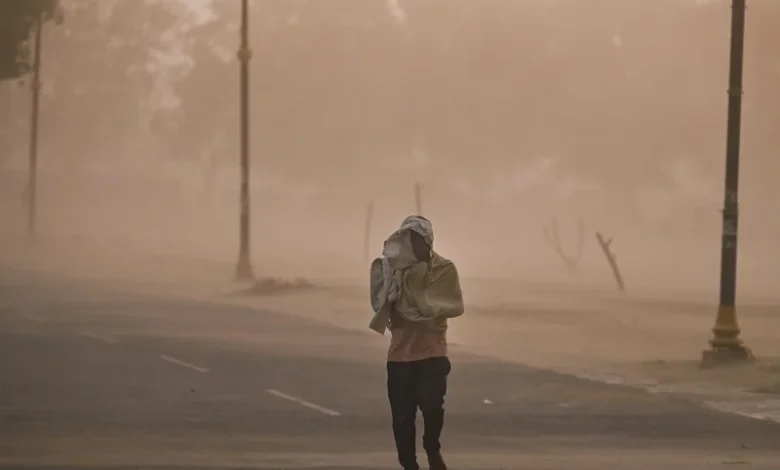
Dust storms and relatively recently, (thundersqualls) in northern India have evolved into extremely dangerous phenomena that now can negatively affect people’s lives/health and property (or hit you hard in pocket) in very destructive ways by causing traffic accidents, damage to infrastructure, loss of electricity, injury, and death.
According to meteorologists, the combined influence of ultrahigh temperatures (caused by global warming), unstable atmospheric conditions, and climate variability (caused by human activity), and changes in prevailing wind direction (typically away from the equator toward the poles) are all contributing to the increasingly severe nature of these storms, especially in 2026.
What Exactly Is a Thundersquall?
As the air coming off land (the ground) becomes extremely hot, it begins to rise rapidly and clip the lower layers of the atmosphere, which contain cooler air. This process can create an intense unstable atmosphere that produces extreme pressure differentials between the cooling (falling) and heating (rising) surface air parcels. The rapid movement of the air above the cool air results in the creation of downdrafts, and the creation of an intense wind at ground level with the capacity to generate enormous amounts of dust and debris.
Why Dust Storms Are Becoming More Dangerous
Experts say that because of increasing atmospheric instability resulting from rising ground temperatures, the potential for stronger storm activity in combination with extremely unstable air masses will lead to even greater likelihoods that superstorm like activities will occur as these high energy storms approach.
Biggest Risks During Dust Storms
Dust storms and thundersqualls can become dangerous for several reasons:
- Extremely poor visibility on roads and highways
- Falling trees, hoardings, and electric poles
- Lightning strikes during active thunderstorms
- Respiratory distress due to dust inhalation
- Flying debris causing injuries
- Sudden power outages and communication disruption
You Might Also Like
Which Hyderabad areas face worst heat?
Check the neighborhoods most vulnerable during extreme heatwaves in the city.
Which Indian cities face extreme heat?
Discover the regions across India at highest risk from rising temperatures.
Is major weather shift coming April?
Explore how upcoming weather changes could impact temperatures across India.
Which cities face climate risk 2026?
Check the urban areas under immediate environmental threat this year.
Why Chennai preparing early for heat?
Discover how Chennai is tackling rising temperatures and health risks early.
Final Words
Heat waves that were once only minutes long can cause significant disruptions, health emergencies, & hazardous travel conditions in seconds. With the increasing intensity of heatwaves & the increase in atmospheric instability, it is becoming more important to be aware of these increasingly violent storms & to act quickly to enhance your chances for safety.
FAQs
1. What Are Thundersqualls?
Thundersqualls are quick-form storms that produce violent wind, thunder, dust clouds, & rapidly changing weather conditions.
2. What Causes Increased Intensity Of Dust Storms?
The increase in the amount of extreme heat, dry soil, climate change, & unstable atmospheric conditions has caused an increased intensity for storms.
3. What Areas Are Most Affected?
Uttar Pradesh, Rajasthan, Delhi, Haryana, & other northern states have a high frequency of severe dust storms.
4. How Do Dust Storms Affect Your Health?
Dust inhalation can result in breathing issues, allergy problems, and/or respiratory distress.