Arunachal Pradesh’s 32 High-Risk Glacial Lakes Raise Flood Alarm for Downstream Rivers in Assam and Bhutan

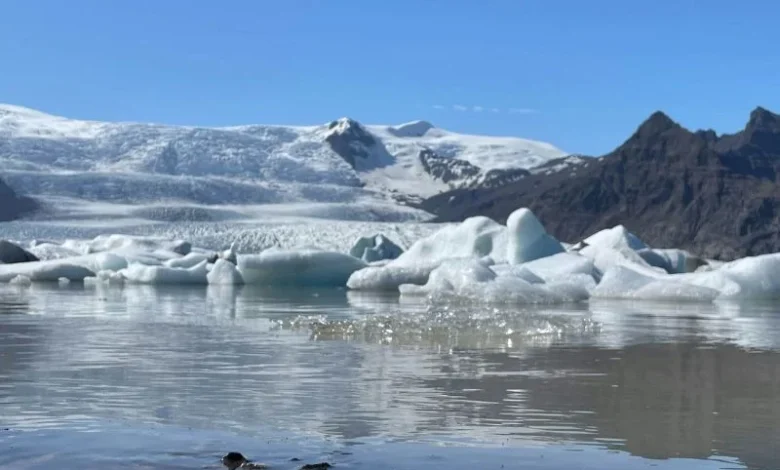
Up in the Eastern Himalayas, something is shifting, and it’s not good news for the valleys below. A river expert studying glacial lakes in Arunachal Pradesh has flagged 32 lakes out of 197 as dangerous enough to demand action now, not later. glacial lake flood risk, The rivers born in these mountains don’t stay in the mountains. They run straight into Assam and across the border into Bhutan.
What’s Actually Going On Up There
Here’s the basic problem. As glaciers retreat, meltwater pools behind loose walls of rock and debris, what geologists call moraine dams. These aren’t built to hold water forever. As lakes swell, the pressure on that natural wall grows too. If it fails, you get what’s called a Glacial Lake Outburst Flood, or GLOF, a sudden surge of water that can tear through a valley within hours.
Rivers like the Tawang Chu, the Dibang, and the Kameng Chu (which becomes the Jia Bharali once it reaches Assam) sit in the danger zone. One lake alone, Sanhapo in the Mago Chu basin, has nearly doubled in size over ten years.
Why This Isn’t Just Arunachal’s Problem
- People living along river banks downstream get almost no warning if a lake bursts
- Bridges, roads and hydropower stations built near these rivers are all exposed
- Bhutan’s Punatsang Chhu feeds into Assam’s Sankosh river and has a troubled history, detailed in a recent glacial lake flood risk study
- Because these rivers cross state and national borders, a flood that starts in one place can strike another within hours
How Scientists Are Keeping Watch
Nobody can stop a glacier from melting, but they can watch it closely. Teams now rely on satellite images, radar that sees through clouds and darkness, and sensors placed right at the lake sites. Field crews working under the National Disaster Management Authority’s glacial lake programme have visited several high-risk lakes to map their boundaries, elevation and nearby villages, groundwork needed before any early warning system can go up.
What People Living Downstream Can Do
- Pay attention to flood alerts from local disaster authorities, especially during monsoon
- Think twice before settling too close to a river bank in a known flood-prone stretch
- Cooperate with officials installing warning systems in your area rather than treating them as inconvenient
- Keep a basic evacuation plan and emergency numbers ready at home
Conclusion – glacial lake flood risk
A lake melting quietly at 16,000 feet doesn’t feel like an urgent problem, until it is. For families living along rivers in Assam and Bhutan, what happens on a remote glacier hundreds of kilometres away can decide whether their homes stay standing. Staying informed now beats scrambling later.
More stories on extreme weather.
Why Is Bangladesh Facing Flood Risks?
Find the latest climate insights.
What’s Driving India’s Weather Split?
Check out the extreme weather patterns.
Is Sonamarg Travel Safe Today?
Get to know the latest advisory.
How Severe Are China’s Floods?
Browse the latest emergency updates.
Why Is Northeast India Flooding?
Uncover the unusual jet stream effects.