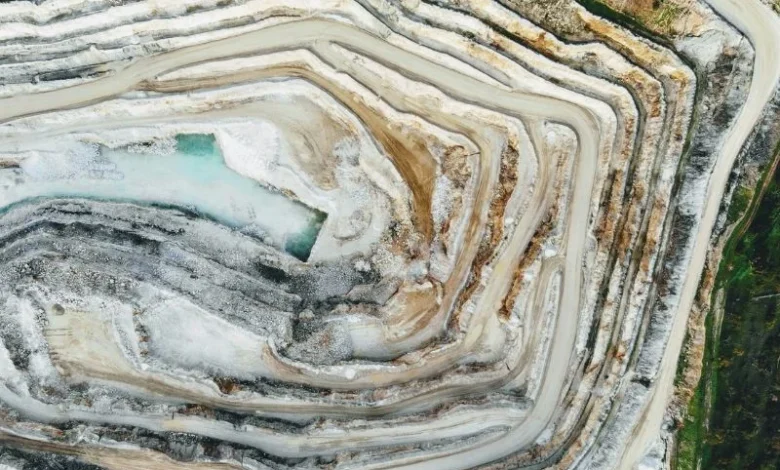
Ask anyone in Madre de Dios how their family gets by, and gold mining comes up fast. It’s work that’s fed communities for generations. But it comes at a cost, mercury in the rivers, forest cleared acre by acre. Sustainable Artisanal Mining, Now, a handful of formalized artisanal mining crews in this region are trying something different, and the outcome could matter well beyond Peru’s borders.
Why Miners Are Rethinking Mercury
Mercury has always been the easy option. Pour it in, and it grabs the gold from crushed rock in minutes. The problem is what happens after. It doesn’t stay put, it moves through soil, into water, into fish, and eventually into people. Miners aren’t blind to this. Many have watched relatives get sick or seen rivers change color over the years. That firsthand experience, more than any outside pressure, is part of what’s driving a slow shift toward cleaner methods.
How the Cleaner Process Actually Works
Instead of mercury, some operations now run crushed material over gravimetric tables, machines that use gravity and vibration to sort out heavier gold particles. A few have paired this with solar panels to keep costs down. Workers refer to what comes out the other end as “ecological gold.” It takes longer than the mercury method, and the upfront equipment isn’t cheap, but nothing toxic goes back into the ground.
The Everyday Obstacles Nobody Talks About
Good intentions run into hard realities out here. A few of the biggest ones:
- Many miners have no real access to banking, so gold often gets sold off the books, with a receipt instead of a proper invoice
- Government offices are far away or simply absent in mining zones
- Solar-powered, mercury-free equipment costs far more than what most small operations can spare
- Tension between police and informal miners occasionally boils into open conflict
- The whole region gets tagged as a polluter in the media, which stings for those already trying to do things differently
What Would Actually Help
Talk to the miners themselves, and the requests are fairly simple:
- Affordable financing for gravimetric tables and solar setups
- A way to register and formalize using a phone, not a multi-day trip to a government office
- An official mercury-free gold certification, something buyers can trust and pay a fair price for
- Basic training on running and maintaining the new equipment
- Support paired with enforcement, instead of raids alone
Where This Leaves Things – Sustainable Artisanal Mining
What’s happening in Madre de Dios isn’t a finished success story. It’s a group of people trying to prove that mining and forest protection don’t have to cancel each other out. The technology already exists, what’s missing is the financing and the government follow-through to make it stick. If that support arrives, sustainable artisanal mining could shift from a small experiment to how gold is expected to be produced across the Amazon.
More stories on extreme weather.
Why Is Bangladesh Facing Flood Risks?
Find the latest climate insights.
What’s Driving India’s Weather Split?
Check out the extreme weather patterns.
Is Sonamarg Travel Safe Today?
Get to know the latest advisory.
How Severe Are China’s Floods?
Browse the latest emergency updates.
Why Is Northeast India Flooding?
Uncover the unusual jet stream effects.