Coral Triangle Reefs Are Holding Their Ground While the World’s Reefs Struggle With Marine Heatwaves

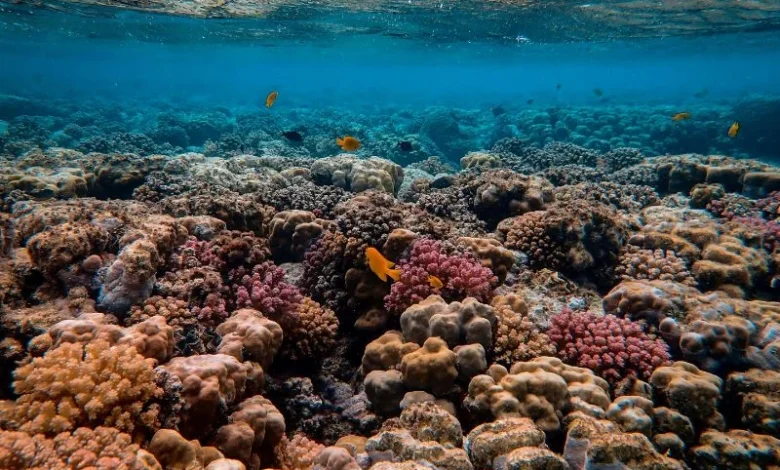
Most coral news these days is grim. Marine heatwaves are hitting reefs closer together in time than they used to, and corals simply don’t get the years they once had to bounce back. Coral Triangle Reefs, So it’s worth pausing on a finding that goes against the grain: reefs in the Coral Triangle, the stretch of ocean around Indonesia, Malaysia, the Philippines and their neighbours, have kept roughly the same amount of coral cover for nearly 40 years, even as reefs elsewhere have thinned out.
Why East Asian Seas Reefs Are Different
Here’s the number that stands out. A large monitoring effort, drawing on data from more than 36,000 reef sites in 124 countries, found that average coral cover around the world slipped from about 30 percent in 1980 down to roughly 27 percent by 2024. That’s not a huge drop on paper, but it hides a lot of local devastation. Meanwhile, reefs in the East Asian Seas, which hold close to a third of all the coral reef area on the planet, stayed close to that original 30 percent mark for most of the same stretch. There was a dip after one bad bleaching event, but it climbed back up again.
Why would one region hold steady while so many others don’t? A few ideas keep coming up among the scientists studying this:
- Corals that grow in warmer, murkier coastal water may already be somewhat used to stress, which could make them tougher when a heatwave hits.
- Those tougher corals produce offspring, and those offspring can drift and settle on nearby reefs, spreading some of that resilience around.
- Losses in one patch of the Coral Triangle seem to get balanced out by gains in another patch nearby, so the regional average can look fine even when specific reefs are struggling.
What Coral Bleaching Actually Does to a Reef
Bleaching sounds almost gentle as a word, but it isn’t. It happens when a stressed coral expels the algae living inside it, the same algae responsible for its colour and much of its food. Without that algae, the coral turns white and starts running out of energy. One bleaching event a coral can usually survive. Several in a row, with no real gap to recover, and the coral often dies. That’s a problem well beyond marine science, since something like a billion people depend on reefs for fishing, income, or protection from storms and erosion along the coast.
What People Can Actually Do About It
- Back local reef conservation groups or marine protected areas where you can
- Skip sunscreens with chemicals known to harm coral if you’re swimming near a reef
- Say something if you spot illegal fishing or obvious reef damage
- Cut back on plastic and runoff, since both feed the algae that smothers coral
- Keep an eye on updates from your country’s environment or biodiversity agency
Conclusion – Coral Triangle Reefs
None of this means the Coral Triangle is safe. The same warming water, pollution and overfishing pressuring reefs everywhere else are present here too, and researchers are quick to say the current stability could shift. But for once, there’s a reef story worth holding onto, one where paying attention now could actually make a difference before the next heatwave arrive
Coral reefs face a growing global threat.
Are Kelp Forests Disappearing Too Fast?
Check out why kelp forests are rapidly declining.
How Is UAE Helping Coral Reefs?
Find out how UAE labs protect coral reefs.
What Helps Coral Reefs Recover Faster?
Uncover what supports reef recovery after bleaching.
Why Are Reefs Collapsing Across Countries?
Track down how climate change drives reef loss.
How Widespread Is Coral Bleaching Today?
Reveal how severely coral ecosystems are affected.