Indigenous Knowledge and Acoustic Technology Team Up to Find the World’s Smallest Monkey in the Amazon

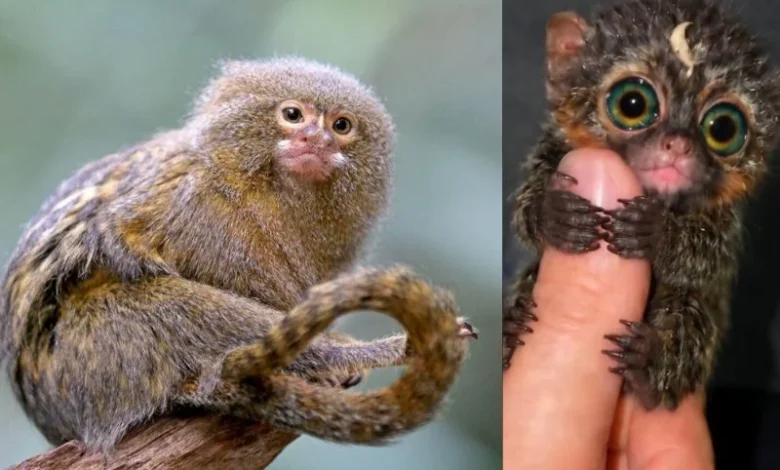
Try picturing the task of finding the world’s smallest primate somewhere inside a rainforest the size of a small country. It sounds close to impossible, and honestly, most days it is. pygmy marmoset in Amazon rain forest, That is why a small team working in Ecuador decided to stop relying on sight alone. They turned to Indigenous knowledge passed down through generations and paired it with modern listening equipment. What has come out of this effort so far says a lot about how conservation should probably be done more often: with local communities leading, not just assisting.
A Tiny Monkey With an Outsized Job
An adult pygmy marmoset weighs about as much as a small apple, somewhere around 150 grams. Yet this little animal carries far more weight than its size suggests. It survives almost entirely on tree sap and gum, which means it cannot tolerate a damaged forest for long. The moment logging or clearing disturbs its habitat within the Amazon rainforest, the monkeys simply stop showing up. Members of the Siekopai community in Siekoya Remolino had already figured this out long before any researcher showed up with equipment.
Why Listening Works Better Than Looking
Here is the practical problem. This monkey lives high in the canopy, tucked behind thick leaves, and it barely registers to the human eye, let alone a camera. So the team turned to passive acoustic monitoring, a method that leans on microphones instead of eyesight. It is not new technology by any means, but it is inexpensive and covers ground that a person walking through dense forest never could.
What Three Days of Recording Actually Found
Microphones were left running in three trees for 72 hours. The marmoset’s calls, most of them pitched so high they sit near the edge of human hearing, did not show up in the recordings. That part did not go as hoped. But the data was far from useless. It captured a wide range of other animal sounds, which gave the team a much clearer sense of what else lives in that stretch of forest.
A short list of what this approach is proving useful for:
- Narrowing down search zones before spending money on equipment
- Covering large forest areas without needing a large field team
- Training community members on tools they can keep using long after researchers leave
- Building a baseline of biodiversity data even when the target species stays hidden
Conclusion – pygmy marmoset in Amazon rain forest
Nobody involved is claiming victory yet. The plan now is to leave recorders out for much longer stretches and see what turns up. But the real story here is not really about one monkey. It is about a working partnership where local knowledge sets the direction and technology fills in what human senses cannot reach.
More stories on extreme weather.
Why Is Bangladesh Facing Flood Risks?
Find the latest climate insights.
What’s Driving India’s Weather Split?
Check out the extreme weather patterns.
Is Sonamarg Travel Safe Today?
Get to know the latest advisory.
How Severe Are China’s Floods?
Browse the latest emergency updates.
Why Is Northeast India Flooding?
Uncover the unusual jet stream effects.