Himalayan Glacier Melt Accelerates: Why India’s Economy Faces a Growing Climate Risk

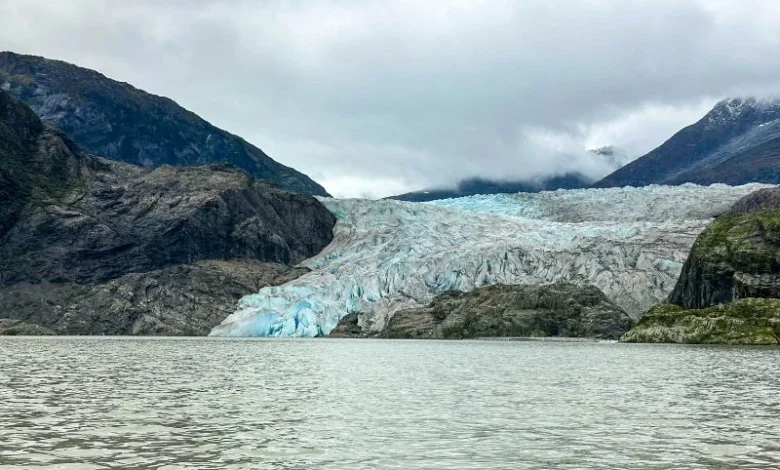
People call the Himalayas the Third Pole for good reason. Outside the Arctic and Antarctic, nowhere else on Earth holds this much ice. Himalayan glacier melt, New findings suggest these mountains are now melting much faster than they were just ten years back, and that shift doesn’t stay confined to India. Hundreds of millions of people across South Asia rely on this frozen reservoir for their rivers, their crops, and their electricity.
Why the Ice Is Disappearing Faster Than Before
A group of researchers, working with mountain development specialists, found that glacier loss has sped up noticeably over the past decade. Two things are pushing this along:
- Global warming, which remains the biggest long-term driver
- Soot, known technically as black carbon, drifting from sources like brick kilns and settling on snow, where it soaks up heat and speeds up melting
That second point matters because it’s a problem governments can actually tackle in the near term, unlike the much slower global effort to cut emissions.
How This Puts India’s Economy on Shaky Ground
Rivers fed by Himalayan meltwater carry a lot of economic weight. They water wheat and rice fields, keep tea plantations alive, turn hydropower turbines, and support pilgrimage routes that draw millions of visitors. By some estimates, this water system props up close to a fifth of India’s entire GDP. Oddly enough, the mountain states that bear the environmental cost see only a fraction of that benefit come back to them.
The Growing Danger of Glacial Lakes
When glaciers pull back, they often leave behind lakes held in place by little more than loose rock and ice debris. Indian authorities have already marked dozens of these as extremely high risk. If one gives way, the result is a sudden flash flood, the same kind of disaster that recently struck parts of Nepal and Tibet with devastating loss of life.
What People Can Actually Do About It
- Keep an eye on alerts from local meteorological and disaster agencies
- Back cleaner-fuel and low-soot brick-making efforts where possible
- If your livelihood depends on river water, look into backup irrigation or storage options
- Planning a Himalayan trek? Check flood warnings before you go
- Get your information from established climate reporting, not unverified posts online
Conclusion – Himalayan glacier melt
The mountains are shifting faster than most of us assumed, and the ripple effects run from small villages all the way up to national economic figures. Cutting local pollution, improving how closely we track glaciers, and preparing at-risk communities are things that can start now, not someday. The ice won’t wait around for us to catch up.
More stories on extreme weather.
Why Is Bangladesh Facing Flood Risks?
Find the latest climate insights.
What’s Driving India’s Weather Split?
Check out the extreme weather patterns.
Is Sonamarg Travel Safe Today?
Get to know the latest advisory.
How Severe Are China’s Floods?
Browse the latest emergency updates.
Why Is Northeast India Flooding?
Uncover the unusual jet stream effects.