
Many major cities in the western United States have very dry climates. Las Vegas and Phoenix get so little rain (less than 10 inches or 250 millimetres) a year on average, that these places are considered deserts. Riverside and San Diego aso cross under the desert threshold with average of just over nine inches of annual rainfall.
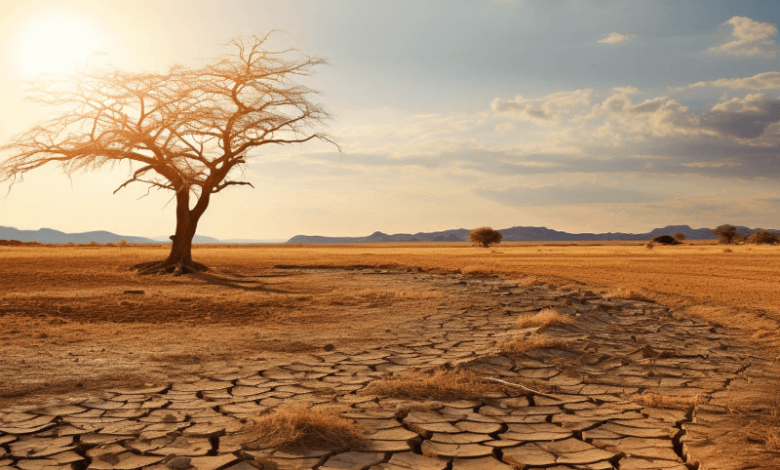
These desert jewels bathed in the golden light and painted against the stark landscapes, beckon with their unique charm and arid embrace. Read below to discover the ten driest cities in America.
Yuma, Arizona (Avg Annual Rainfall: 2.65 inches);
The driest city in the USA is Yuma in the state of Arizona, with only 2.65 inches of rainfall per year. The city is situated near the Mexican border and is drier than most desert regions. It is also the sunniest city in the USA, with 320 days of sunshine per year.
Las Vegas, Nevada (Avg Annual Rainfall: 4.19 inches);
Beyond the neon lights and casino floors, Las Vegas hides a dry secret. With an average rainfall of 4.19 inches, this desert metrocity is the second driest city in the whole of the United States. While rain might be scarce, the energy of millions of dollars sourced from visitors playing in the casinos fills the air.
Bishop, California (Avg Annual Rainfall: 5.61 inches);
Located at the foot of the towering Sierra Nevada mountains, the city of Bishop receives an average of 5.61 inches of rainfall all round the year. But the mountain town finds its liquid lifeline in the snow capped peaks. The meltwater nourishes the meadows filled with wildflowers in Spring while the rugged trails are formed through the granite cliffs inviting adventure seekers to come hiking and treks.
Bakersfield, California (Avg Annual Rainfall: 5.72 inches);
Next up on the list of dry cities is California’s Bakersfield. Located in the Silicon Valley’s central valley, Bakersfield embodies the spirit of arid California. Hot, dry summers and mild winters define the place and it receives an average rainfall of 5.72 inches all round the year.
Phoenix, Arizona (Avg Annual Rainfall: 7.11 inches);
Phoenix comes at 5th place in the list of dry cities in America. The city receives an average rainfall of only 7.11 inches throughout the year. The city survives because of the immense network of canals and reservoirs that provide a lot of water for both industrial and domestic usage along with crops cultivation.
Alamosa, Colorado (Avg Annual Rainfall: 7.13 inches);
Nestled in the San Luis Valley, between the Sangre de Cristo and San Juan mountains Alamosa remains the 6th driest city in the list receiving an annual average rainfall of 7.13 inches. Unlike the hot and scorching heat of Arizona and California, Alamosa experiences cooler nights and distinct seasonal changes.
Reno, Nevada (Avg Annual Rainfall: 7.49 inches);
Titled “the Biggest Little city in the World” Reno embraces its dry climate with an avg annual rainfall of 7.49 inches. It is one of the largest city in the province of Nevada and is known for its entertainment zones and incredible natural surroundings. It is filled with natural beauty and offers a visual treat other than its bustling nightlife and gambling casinos that it offers.
Winslow, Arizona (Avg Annual Rainfall: 7.64 inches);
This charming route 66 town with an average annual rainfall of 7.64 inches reminds us of old Americana. It has the Corner Park, La Posada Hotel that is a stunning example of Mission Revival architecture. The Petrified Forest National Park is also a major tourist attraction nearby.
El Paso, Texas (Avg Annual Rainfall: 7.82 inches);
Situated on the US Mexico border, El Paso basks in the sunlight all year round, and receives a minimal rainfall of 7.82 inches making it the 8th driest city in the whole of the USA. The vibrant culture has a mix of both Mexican and American history touch and reflects on the lifestyle of the local people here.
Winnemucca, Nevada (Avg Annual Rainfall: 7.82 inches);
This small city situated in the heart of the Great Basin Desert with an average rainfall of 7.82 inches is a treasure trove of history and outdoor enthusiasts. Travellers can experience and know a great deal of the Wild West era through the Humboldt County Museum, along with stepping back at a time by visiting the Winnemucca Lake Archeological site, home to some artefacts that goes back as long as 10000 years.